


 English
 عربى
عربى 中文简体
中文简体
Galvanized Appliance Components
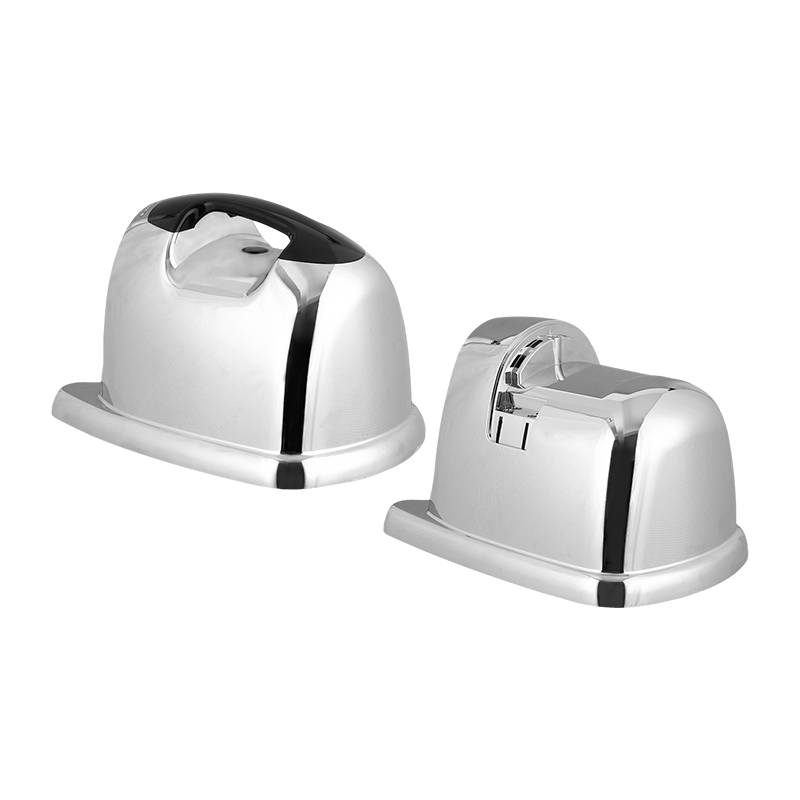
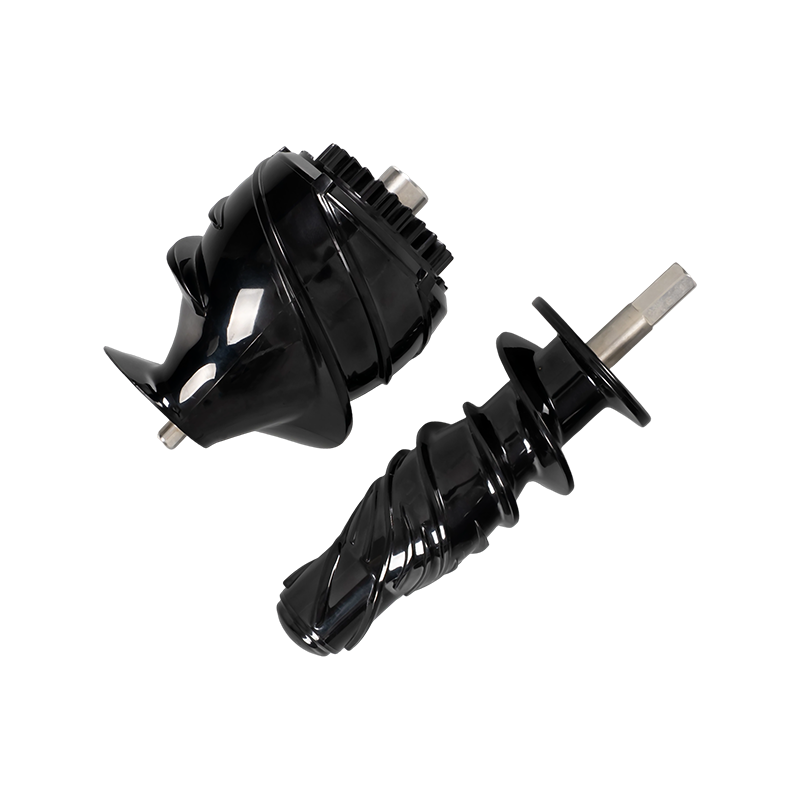
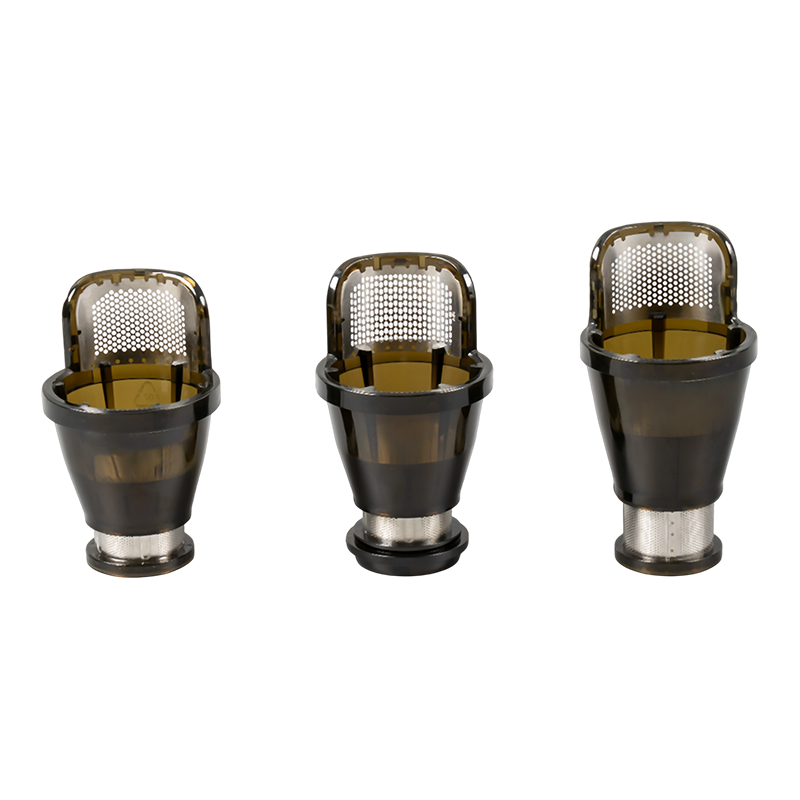
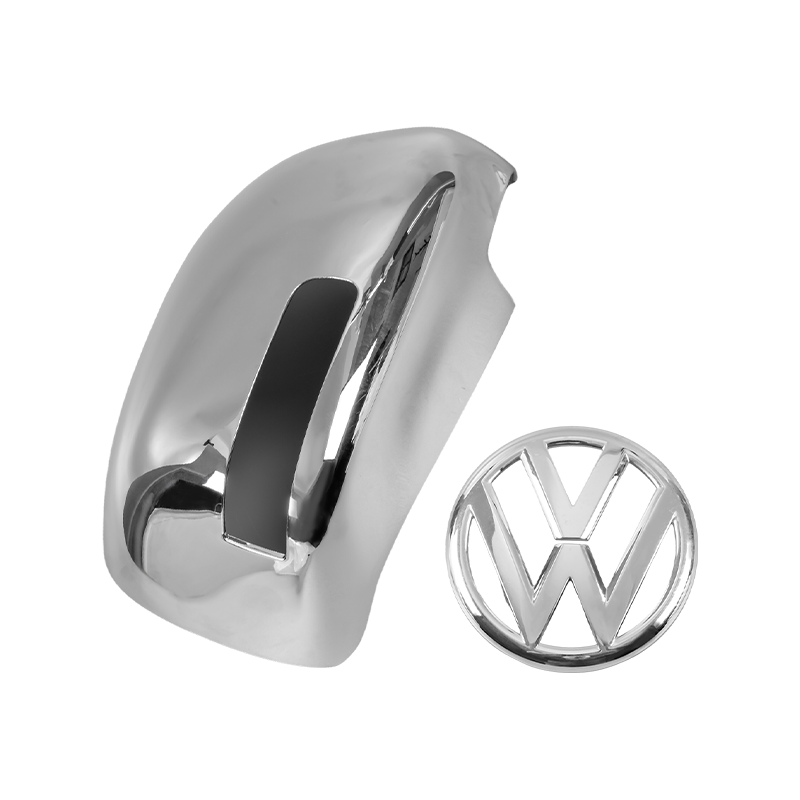
Galvanized components for home appliances are constructed from high-quality engineering plastics, specifically poly...
Content
Pen injectors have supported self-administered subcutaneous therapy since the 1980s, and the question for healthcare buyers is no longer whether to switch from vials and syringes, but which pen design to choose. For most diabetes programs, a reusable pen injector with a precise manually operated dosing mechanism and a clear dose display delivers the best combination of clinical safety, patient adherence, and long-term cost.
That shift is visible across hospitals, diabetes clinics, and community pharmacies in both mature and emerging markets. Pen injectors reduce dosing errors, shorten injection time, and give patients more confidence than conventional syringes. The benefit, however, depends on the device itself. Its reuse model, mechanical tolerances, and dose readability determine how much real value it brings to a treatment program.
A pen injector is a cylindrical, pen-shaped device that holds a prefilled cartridge or an integrated reservoir of medication. Instead of drawing a drug from a vial with a separate needle and syringe, the user dials a prescribed dose on a mechanical counter and presses a button to deliver it subcutaneously. The device stays assembled between injections, which protects the medication and reduces handling steps.
The core parts are the outer housing, the dose dial and counter, a lead screw, the cartridge holder, and the needle hub. The mechanical version relies on a precision lead screw and a calibrated clutch that produces a tactile click for each unit dialed. It needs no battery, works across a wide range of temperatures, and is compact enough for a pocket or a small kit. Insulin is the most common application, followed by GLP-1 receptor agonists, growth hormone, fertility medications, and some anticoagulants. Dose increments vary by device, from half-unit steps for pediatric insulin dosing to fixed-dose designs for simpler biologics.
Two structural designs dominate the market. A fully disposable pen is discarded when its single cartridge is empty. A reusable pen holds a replaceable cartridge and is designed for years of service. The table below summarizes how the two designs differ in everyday operation.
| Feature | Disposable pen | Reusable pen |
|---|---|---|
| Service life | Single cartridge; whole unit discarded | Multiple cartridge changes; device lasts years |
| Cost per dose | Higher over time | Lower after the initial device cost is amortized |
| Waste volume | Entire pen discarded | Only cartridge and needle replaced |
| Dose adjustment | Varies by model; some fixed-dose | Usually multi-dose and adjustable |
| Maintenance | None | Minimal periodic cleaning |
| Best fit | Short-term therapy, first-time users | Chronic long-term therapy, stable regimens |
Reusable devices fit chronic conditions like diabetes because treatment continues for decades. The initial unit cost is recovered across subsequent cartridges, and the reduced waste volume matters for institutions with sustainability targets. The trade-off is a slightly more complex mechanism, which raises the importance of engineering quality in the selection process.
Dosing accuracy is the first specification to check. Insulin dosing errors of even a few units can trigger hypoglycemia or progressive glucose imbalance, so the mechanism must consistently deliver the dialed dose. In a mechanical pen, the lead screw advances a piston inside the cartridge; the pitch of the screw, the rigidity of the housing, and the quality of the injection-molded plastic parts all influence how much liquid leaves the needle on each press. A device that has been verified at different temperatures will also behave more predictably when a patient carries it in a bag or keeps it in a car during the day.
Reputable manufacturers publish accuracy test results and run performance tests across the full dose range, usually at multiple temperatures, because liquid viscosity changes with temperature. One practical shortcut for a buyer is to examine whether the manufacturer holds patents on the delivery mechanism and publishes technical material on multi-dose injector performance. The dosing precision of a multi-dose injector affects treatment outcomes directly, so documentation matters as much as the quoted price.
 Manual Visualization Reusable Insulin Pen with Dose ConfirmationThis reusable insulin pen combines a manual mechanism with a visualization window, allowing patients to verify the loaded dose before injection. It addresses accuracy concerns without battery dependency, making it a practical option for precise multi-dose therapy.View Product →
A reusable insulin pen that operates manually and includes a visualization window meets these accuracy requirements in a single unit. The manual mechanism removes battery-dependent behavior, while the visual display allows the patient to confirm the loaded dose before injection, reducing one of the most common sources of user error.
An accurate mechanism is useless if the user misunderstands the device. Published safety reviews of pen injector use describe a consistent set of mistakes, and procurement decisions should explicitly consider whether a design prevents or invites each one.
A well-designed pen removes several of these risks at the source. A high-contrast dose display eliminates unit-to-volume conversion errors. Audible clicks let patients confirm the chosen dose without looking, and a standardized cartridge format discourages withdrawal with a syringe. These features do not replace training, but they reduce the probability of harm, particularly for elderly patients with reduced vision or dexterity.
The true cost of a pen injector program includes training, medication waste, and follow-up visits for injection-related complications. A low-cost disposable device that produces inconsistent dosing becomes expensive quickly. A reusable pen is a one-time capital expense amortized over years of use. When paired with an affordable cartridge supply, its per-dose cost falls below that of most disposable alternatives. For a patient injecting twice daily, the break-even point for a reusable design is typically reached within the first few months of use, and the savings continue for the remaining years of therapy.
Patient adherence depends just as much on the ease and comfort of the injection. A compact pen with a low-force injection button and a clear end-of-dose signal helps patients build a routine. Patients who can see their dose on a display before injecting report less anxiety about self-injection, and reduced anxiety correlates with better adherence over time.
After the device criteria are clear, the next step is to evaluate the supplier. Pen injectors are precision plastic assemblies, and the weakest link in a low-quality product is usually the molded mechanism rather than the cartridge or needle. A supplier with strong injection molding experience can hold tighter tolerances on the lead-screw housing and clutch components, which directly improves dosing consistency.
Manufacturers that openly publish their patents and production capabilities are easier to audit than those that provide only a specification sheet. A documented record of injection molding across medical and industrial products also suggests that the supplier understands tolerance management at scale.
Environmental, social, and governance criteria now appear in hospital tenders and distributor scorecards. Reusable pen injectors already address part of that requirement by reducing plastic waste, but the supplier's own operations matter as well. Reviewing a company's ESG disclosures helps a buyer confirm that the manufacturer can support sustainability-oriented procurement goals, and it gives procurement teams a defensible basis for comparing bidders.
Selecting a pen injector is a recurring decision, not a one-time purchase. The device influences clinical outcomes for years through its dosing accuracy, usability, waste footprint, and patient acceptance. Buyers who prioritize a reusable, manually operated pen with clear dose visualization, and who then validate the manufacturer behind the mechanism, position their procurement to serve both patient outcomes and long-term budgets.

 Custom Pen Compound Syringe Manufacturers