


 English
 عربى
عربى 中文简体
中文简体
Galvanized Appliance Components
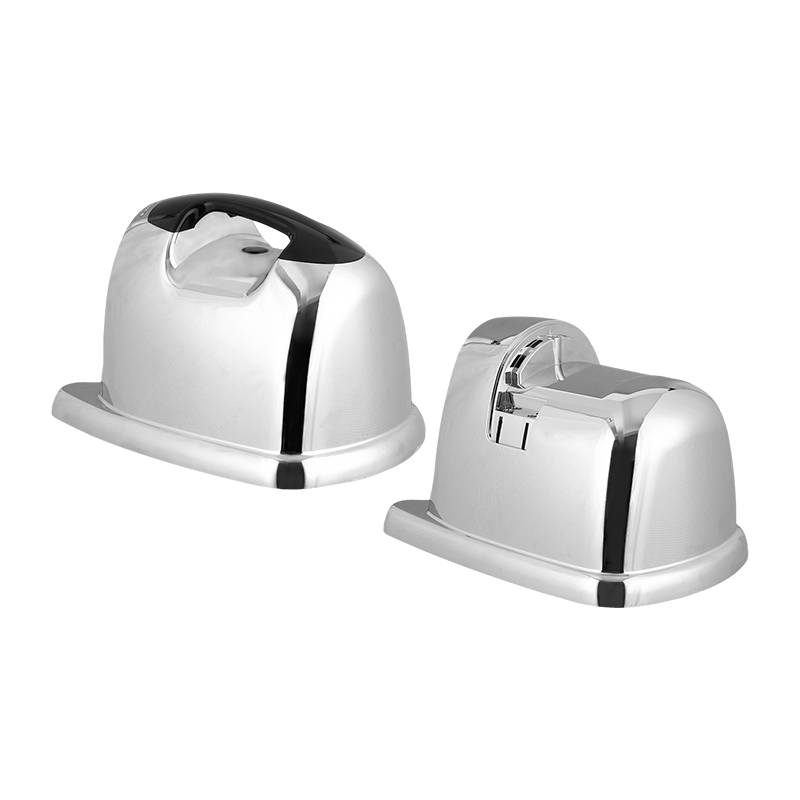
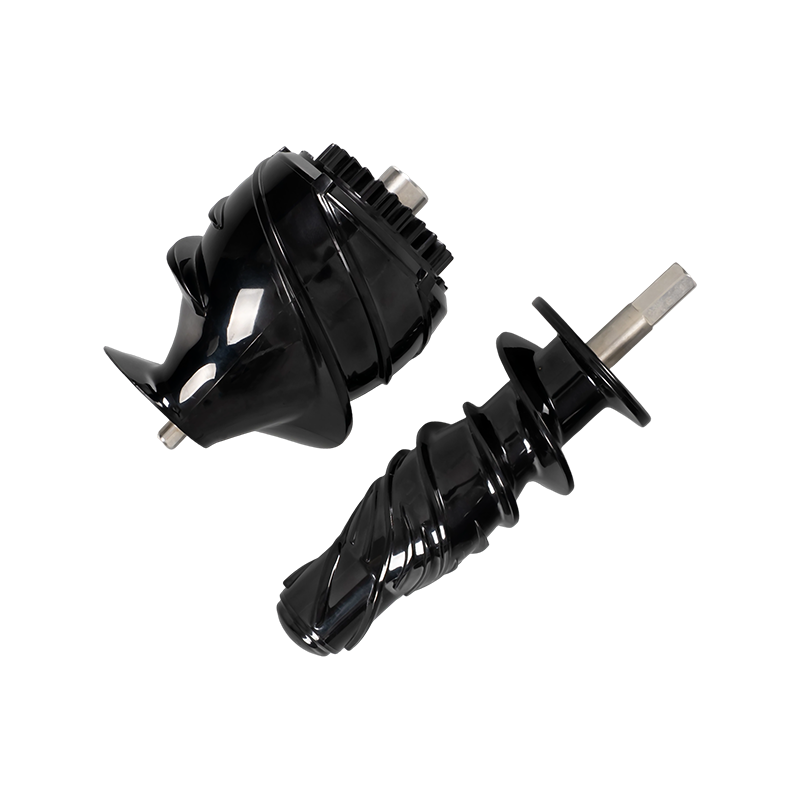
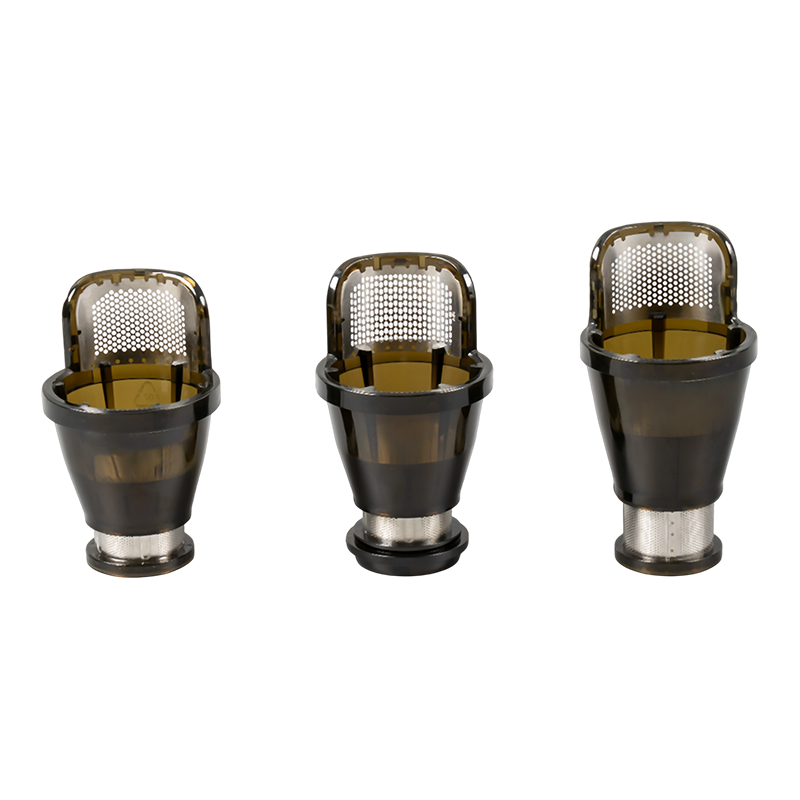
Galvanized components for home appliances are constructed from high-quality engineering plastics, specifically poly...
Content
A nurse in a diabetes clinic watches a patient struggle to draw insulin from a vial into a syringe. With a multi-dose injector pen, that same patient can dial a dose, attach a needle, and inject in less than a minute. The difference matters: it affects training time, dose accuracy, and long-term patient cost. For buyers and clinicians, the practical question is not whether to choose a pen, but which multi-dose injector pen will stay accurate after hundreds of injections.
A multi-dose injector pen is a handheld device that contains a cartridge of medication and delivers a selected volume through a disposable needle. The user rotates a dose dial to set the amount, presses a button, and a plunger inside the pen pushes the medication forward. One cartridge can provide several doses, and a reusable pen body can last for years.
The main components are the same across most devices:
This structure is what separates a multi-dose pen from a single-use syringe or a single-dose pen. Because the cartridge is reused until empty, the pen must maintain accuracy and mechanical integrity over many cycles.
For people who need daily or twice-daily insulin, the multi-dose pen is usually the better tool than a syringe and vial. The advantages show up in routine use:
These benefits are not theoretical. They reduce clinic training time and help patients stay consistent with their injection routine, which directly affects glycemic control.
When evaluating pens for purchase, start with three factors: dosing accuracy, usability across patient groups, and the true cost per injection. These factors are linked, and a weakness in any one of them can turn a low unit price into a high total cost.
Accuracy is not just about delivering the right volume on the first injection. It also means the same selected dose is delivered consistently at half-full, full, and nearly empty cartridge conditions. Look for data that shows dosing precision across the life of the pen, including tests at low, medium, and high dose settings.
Patients with reduced hand strength, low vision, or limited fine motor skills need a pen that is easy to grip, read, and press. A clear dose display, firm click feedback, and a smooth injection button make a meaningful difference. The pen should also allow the user to change needles without touching the cartridge or the needle itself.
A prefilled multi-dose pen is convenient because the medication comes inside the pen; when it is empty, the whole pen is discarded. A reusable pen accepts refill cartridges and keeps the mechanical body for repeated use. The reusable format has a lower cost per injection and creates less plastic waste over time, but it requires patients to understand how to load a cartridge correctly. For clinics and distributors serving long-term patients, the reusable option is often the more sustainable choice.
To compare the field clearly, the table below summarizes how each option performs in typical use.
| Factor | Multi-dose pen | Single-dose pen | Syringe + vial |
|---|---|---|---|
| Doses per device | Multiple doses per cartridge | One dose per device | Multiple doses per vial |
| Dose adjustment | Dial a precise dose | Fixed, prefilled dose | Measure manually |
| Learning time | Moderate | Low | Higher |
| Per-dose cost | Lower with reusable body | Higher per device | Low, but more steps and errors |
| Discretion | Compact and quiet | Compact | Bulky at preparation stage |
| Waste | Only needles and empty cartridges | Entire pen discarded | Needles, syringes, vials |
The table reflects typical designs, not every product on the market. A reusable multi-dose pen can lower long-term consumable cost because the mechanical body is used many times, but it only pays off if the patient remains on the same medication system.
Before selecting a multi-dose injection pen for a hospital, clinic, or distribution catalog, verify the following points with the manufacturer.
If your organization is also tracking environmental goals, ask whether the pen body can be recycled and whether the manufacturer's operations meet recognized ESG commitments. Sustainability is becoming part of routine procurement evaluation in medical devices.
Many injection pens are manufactured by contract manufacturers rather than pharmaceutical companies. The quality of the injection mold, the stability of the plastic material, and the precision of the assembly line all determine whether a pen will deliver consistent doses over hundreds of injections. Ask a potential supplier for evidence of in-house molding capability, process validation, and quality control after each production batch.
Manufacturers with experience in both disposable and reusable devices are preferable, because they understand the different failure modes. A reusable pen must survive repeated needle changes and cartridge replacements; a prefilled pen must maintain sterility and shelf life in a sealed delivery system.
One useful design to study is a reusable insulin pen with manual dose display, because it gives patients direct visual confirmation of the selected dose without relying on electronics. The manual mechanism is easier to maintain and avoids battery or circuit failure in daily use.
 Manual Visualization Reusable Insulin Pen for Reliable DosingThis reusable pen features a manual dose display that lets patients confirm the selected dose visually without electronics, offering easier maintenance and reducing risk of battery or circuit failures in daily use.View Product →
When you compare suppliers, also ask how many injection cycles a reusable pen is designed to withstand, and what replacement parts are available. A pen that has been tested for 10,000 dose clicks may justify a higher unit price than one tested for only 2,000 clicks.
A multi-dose injector pen is the strongest option for most insulin users when accuracy, usability, and cost are weighed together. Reusable designs add long-term savings and reduce waste, but only if the manufacturer can prove the pen's mechanical reliability. Buyers should therefore evaluate the device as part of a complete delivery system: cartridge, needle, patient training, and after-sales support. By focusing on measurable performance rather than promotional claims, you can choose a pen that works for patients during the first dose and, more importantly, after the hundredth dose.

 Custom Pen Compound Syringe Manufacturers