


 English
 عربى
 中文简体

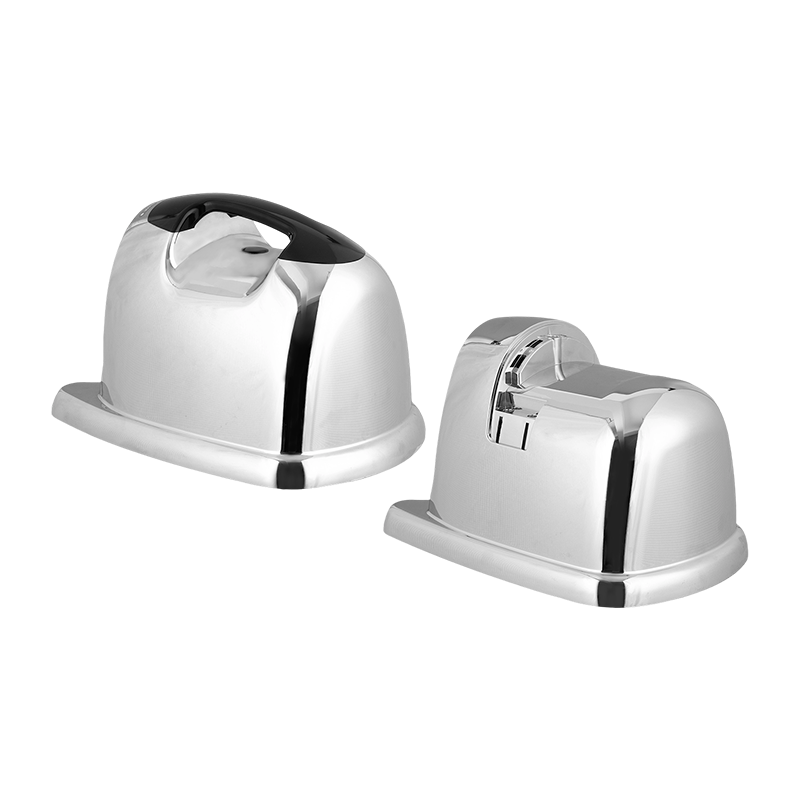
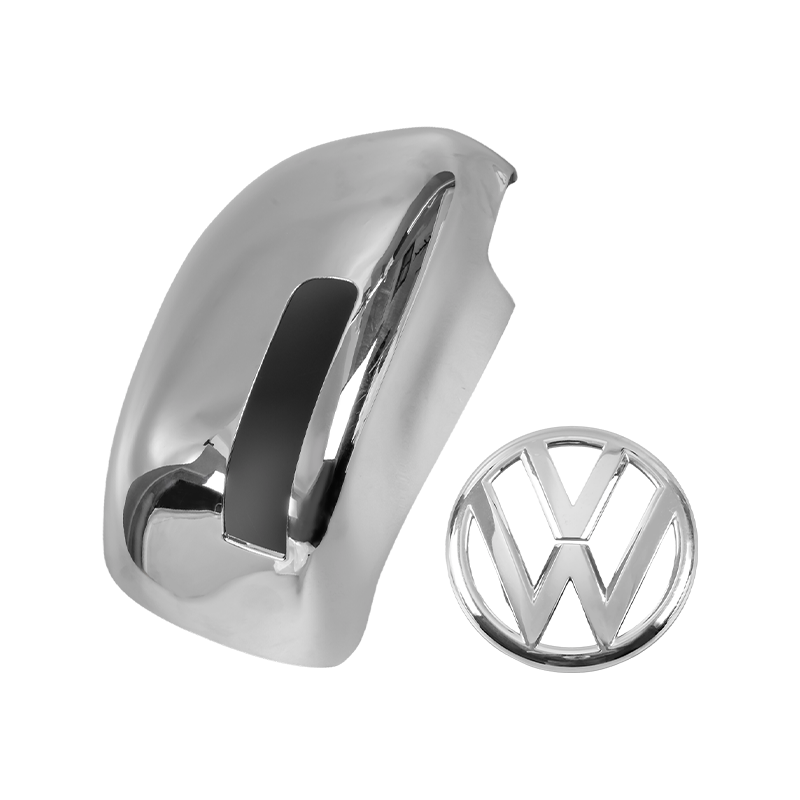
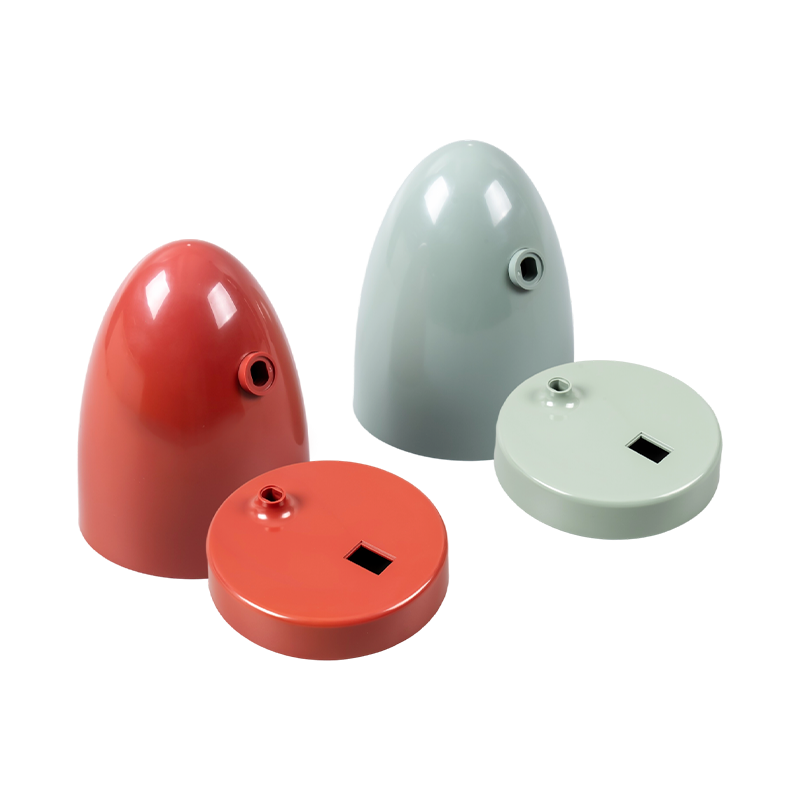
Galvanized Appliance Components
Galvanized components for home appliances are constructed from high-quality engineering plastics, specifically poly...
Content
A procurement manager searching for "semi automatic pen" may be looking for a retractable ballpoint, a spring-loaded marking tool, or — in the medical device world — an insulin injection pen that completes part of the injection automatically. The term covers all three, but the specifications that matter are completely different. The conclusion up front: a semi-automatic pen is a pen in which a spring or similar mechanical element performs part of the action, while the user performs the rest. This guide explains how that mechanism appears across product categories — and what to evaluate when choosing or sourcing one.
Every pen, whether it writes or injects, sits on a spectrum of automation. A fully manual pen requires the user to supply all the force and control. A fully automatic pen completes the entire operation with a single trigger. A semi-automatic pen is the middle ground: the user initiates the action, and a spring or another mechanical component finishes it.
In a retractable writing pen, the click that extends the tip is semi-automatic: the user compresses a spring, and a latch mechanism holds the tip out until released. In an injection pen, the same principle is more consequential. The user sets the dose and presses a button; the spring then drives the plunger forward to deliver the liquid. The user still controls dose, timing, and site, but the mechanism replaces the high, unstable finger force of a manual plunger.
This design has real clinical value. A steady, spring-assisted injection is easier for people with reduced hand strength and tends to produce more consistent delivery. That is why semi-automatic operation is common in insulin pens, where dose repeatability matters.
Semi-automatic pens appear in three main product groups: writing instruments, medical injection devices, and industrial marking tools. The tree diagram below maps them.
Writing instruments. Retractable ballpoint and gel pens use a spring-loaded mechanism that extends and retracts the tip with one click. Here it simply means convenience: one hand, one click, no cap to remove.
Medical injection pens. This is the most demanding application. A semi-automatic injection pen combines a manually selected dose with spring-assisted delivery. For insulin therapy, it gives patients a consistent injection force while keeping the device simple, durable, and affordable compared with electronic auto-injectors.
Industrial marking pens. Spring-loaded engraving and punch-marking tools release a controlled mark when pressed onto a surface. The spring absorbs variation in the user's hand force, so mark depth stays consistent across repeated use.
Take an insulin pen as the reference, since it has the strictest requirements. A typical reusable semi-automatic pen works in five steps:
The defining detail is the dose window. In a well-designed semi-automatic insulin pen, the selected dose stays clearly visible until the injection is complete, so the patient can confirm the number before and after pressing the button. This visual confirmation is one reason purchasers increasingly specify pens with a transparent or magnified dose display.
From an engineering standpoint, the reliability of the mechanism depends on the precision of molded plastic parts: the dose-selector threads, the plunger guide, and the spring seat all need tight tolerances. Yongjie (Zhejiang) Industrial Development Co., Ltd. builds its reusable insulin pen on a precision injection-molding base and holds invention patents covering both reusable and single-use portable liquid delivery devices (ZL202210368411.0 and ZL202210368409.3).
When you compare pens, the practical differences come down to a short list of criteria that patients, clinicians, and procurement teams actually evaluate.
| Feature | Manual | Semi-automatic | Fully automatic |
|---|---|---|---|
| Dose setting | Manual scale on the barrel | Manual dial with visible dose window | Programmed or electronic setting |
| Injection activation | User pushes the plunger the full way | User presses a button; spring finishes the injection | One-touch or sensor-triggered injection |
| Finger force required | High | Low | Minimal |
| Dexterity required | High | Moderate | Low |
| Design life | Often single-use or limited reuse | Reusable body with replaceable cartridges | Reusable, often battery-powered |
| Device cost | Lowest | Moderate | Highest |
| Long-term cost per dose | Higher, because the device is replaced often | Lower, because the body is amortized over many cartridges | Depends on device price and battery or service life |
For most daily insulin users, the semi-automatic reusable format offers the best balance: enough automation to make injections comfortable, but few enough moving parts to keep the device reliable and affordable.
The conclusion before the numbers: for a patient injecting twice a day, a reusable semi-automatic pen usually has a lower first-year cost than a fully manual disposable pen or a fully automatic electronic pen. The body is a one-time purchase, and refill cartridges cost about the same as those used in disposables. The bar chart below shows the comparison.
The estimate assumes two injections per day, typical cartridge pricing, and a twelve-month amortization of the reusable device. Two points stand out. First, the largest cost component is the medication cartridge, not the pen body, so a higher device price does not mean better value. Second, the semi-automatic reusable pen avoids two common cost traps: constant repurchase of disposables and the high upfront price of electronic auto-injectors.
For distributors and clinics, the same logic applies at volume. A reusable pen body is distributed once, while cartridge sales generate recurring revenue. That matches the procurement pattern of diabetes clinics, where long-term affordability is a key tender criterion.
Whether you are buying for personal use or sourcing for distribution, inspect these five areas first.
Suppliers with an in-house injection-molding base tend to control tolerances better than assemblers who buy components externally. Yongjie entered the sector from precision injection molding and now positions itself as a high-value insulin pen specialist. For a buyer, that vertical integration is a practical signal: parts, assembly, and quality control sit under one roof.
"Semi automatic pen" is a broad term, but the decision behind it is always specific. In writing instruments, it means convenience. In medical devices, it means a carefully engineered balance between automation, control, cost, and reliability. For anyone choosing a semi-automatic insulin pen or sourcing one for a clinic, the reusable format is the option worth comparing first, because it delivers the best combination of comfortable injection force, visible dose confirmation, and lower long-term cost.

 Custom Pen Compound Syringe Manufacturers