


 English
 عربى
 中文简体

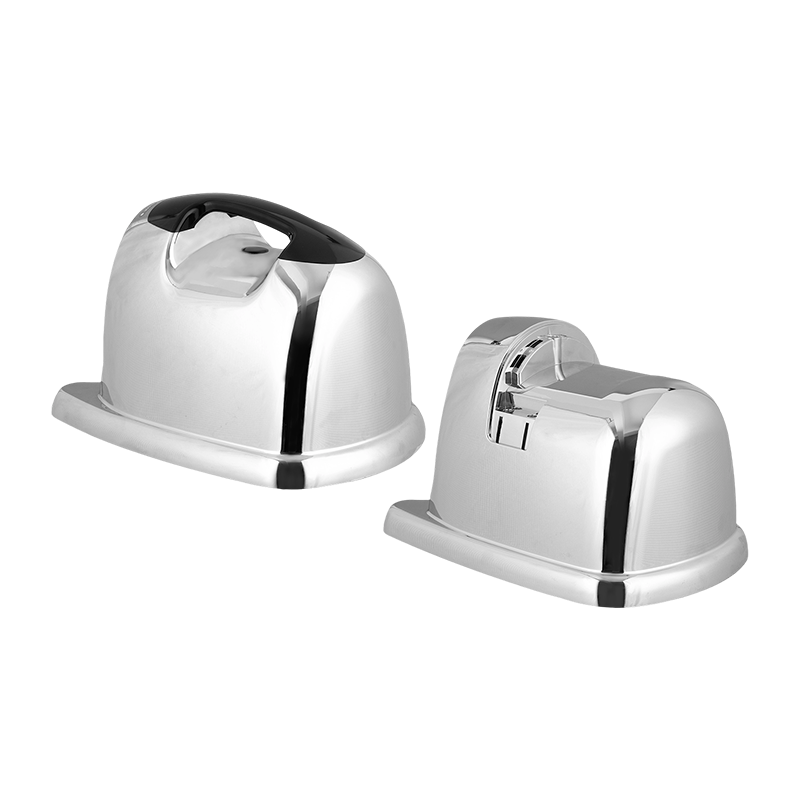
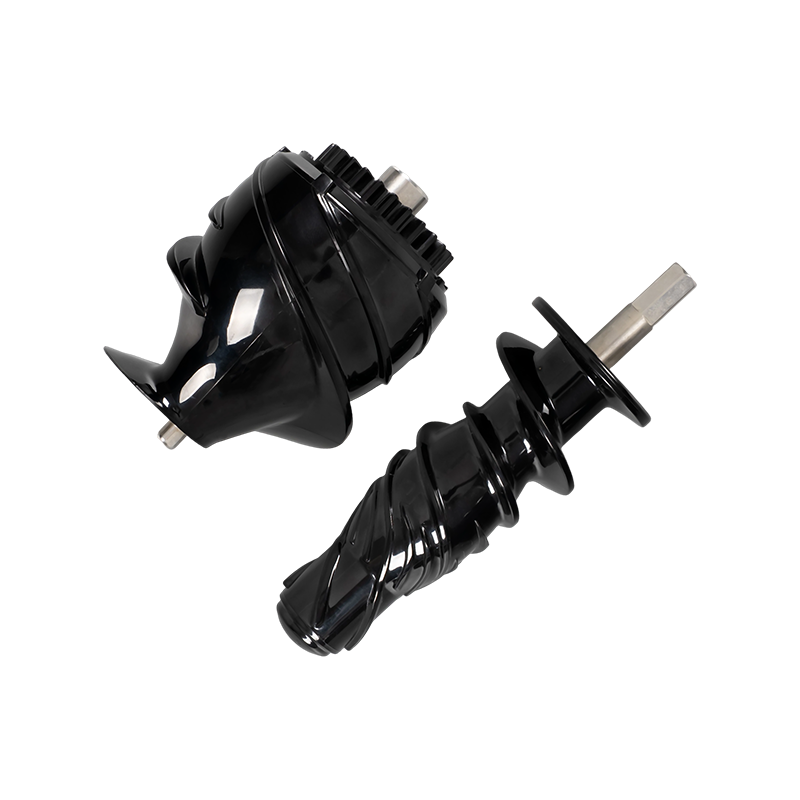
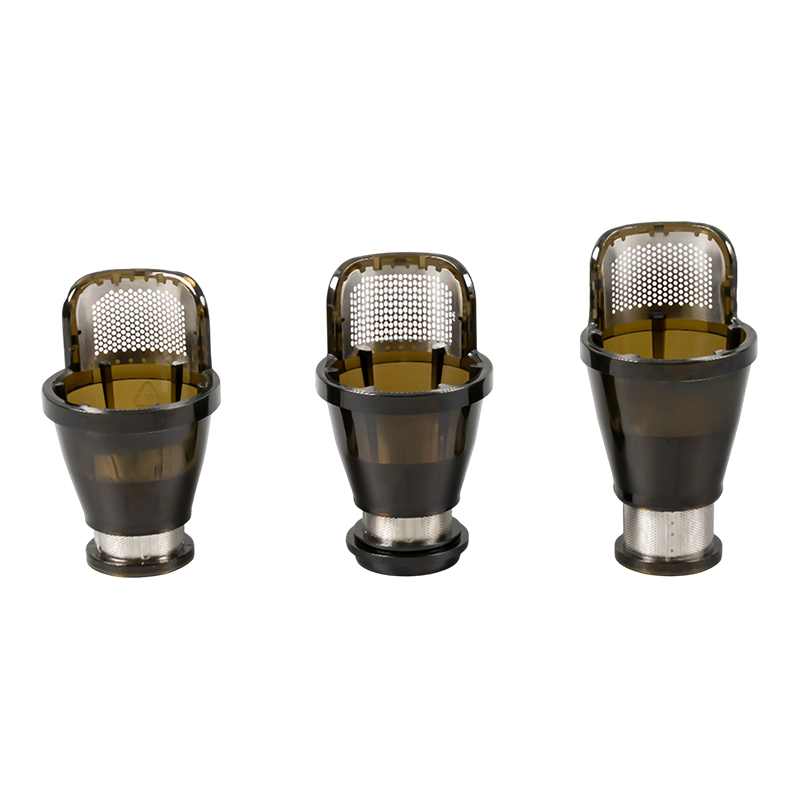
Galvanized Appliance Components
Galvanized components for home appliances are constructed from high-quality engineering plastics, specifically poly...
Content
A clinic switching its reusable pen fleet from 1.5 mL to 3 mL cartridges usually asks one question first: how long does a cartridge actually last? For a patient on 26 units once daily, a 3 mL U-100 cartridge covers ten injection days, not twelve, once the 2-unit air shot before each injection is counted.
That single calculation frames everything else about the 3 mL cartridge pen format. The cartridge sets capacity and cost per unit. The pen body around it sets how accurately each of those units arrives. The two are sold and regulated as one system but engineered apart, and most procurement mistakes come from treating cartridge volume as the only specification that matters.
A 3 mL cartridge pen is a reusable injection device built around a standard 3 mL cartridge: a small cylinder, usually glass or cyclic olefin polymer, sealed at one end by a rubber septum crimped into an aluminium cap and closed at the other by a rubber piston. The cartridge holds the drug. The pen body is the mechanism that pushes that piston forward by a controlled distance, and the distance is the dose.
The cartridge side of the system is largely standardized. The ISO 13926 series defines glass cylinders and plunger stoppers for pen injectors, and the ISO 11608 series covers the needle-based injection system as a whole, including the test methods used to verify dose accuracy. A 3 mL pen cartridge is typically 11 to 12 mm in diameter and 60 to 65 mm long, but suppliers vary by a few tenths of a millimetre, which is enough to change whether a cartridge seats correctly in a given barrel.
Read the diagram from the top down and the buying logic becomes clear. The cartridge determines what you load, the dial and window determine what you can verify before injecting, and the needle interface determines whether the dose leaves the device or leaks at the septum. Only the middle layer is proprietary to each manufacturer.
At U-100 concentration, 3 mL equals 300 units. The figure that matters for planning is usable units, because two units are lost to the air shot before every injection and a small residual volume always remains when the piston reaches the end of its travel. A 3 mL cartridge is therefore a little less than "300 units of therapy": it is 300 units minus priming, minus any dose that is dialled and then cancelled, and minus the last fraction the pen cannot push out.
The table below adds the second half of the picture: a 1.5 mL cartridge is not simply a smaller version of the 3 mL cartridge. It uses a shorter barrel, will not fit a 3 mL pen body, and cannot be substituted by the user.
| Item | 1.5 mL cartridge | 3 mL cartridge |
|---|---|---|
| Nominal volume | 1.5 mL | 3 mL |
| Units at U-100 | 150 | 300 |
| Days at 25 units once daily | About 5 | About 11 |
| Days at 40 units daily | About 3 | About 6 |
| Pen body | Shorter barrel, slimmer device | Standard barrel for most reusable pens |
| Usual fit | Low-dose regimens and travel spares | Adult maintenance dosing and clinic stock |
For clinics, two practical rules follow. Cartridge changes happen on a schedule rather than on demand, so stock planning should use day counts and not volume. And switching between cartridge sizes means switching the pen fleet, not just the drug order.
Dose accuracy is specified as a tolerance band, not a single number. Under the ISO 11608-1 approach, a multi-dose pen is commonly required to deliver each dialled dose within plus or minus one unit, or a proportional percentage, whichever is the greater allowance, across the full dial range. That "whichever is greater" clause matters more than it looks.
At a 30-unit setting, one unit is 3.3 percent of the dose. At a 1-unit setting, one unit is 100 percent of the dose. Small dial settings therefore consume the whole tolerance budget, and mechanical weaknesses surface there first: backlash in the dial, a spindle that does not seat squarely against the piston, or a needle that leaks at the septum.
This is why visual confirmation is worth paying for in a reusable pen. A dial-and-window design lets the user read the set dose before the needle is inserted, so a mis-set dose is caught before it reaches the patient rather than after. The mechanical side of this is covered in more detail in our article on what determines the dosing precision of a multi-dose injector.
Three failures account for most field complaints. Skipping the air shot leaves a repeatable under-dose that a visual pen will not reveal unless the user watches for the drop. Reusing a needle until it is blunt or partly blocked changes the delivered volume even when the dial reads correctly, and it leaves the cartridge open to air between injections. Over-torqueing the cartridge holder on a glass cartridge produces a hairline crack that leaks slowly and shows up as a film of liquid inside the holder rather than as an obvious break.
Yongjie (Zhejiang) Industrial Development is a moulding-based manufacturer in Zhejiang that builds pen devices rather than only assembling them. It holds patents on a reusable portable liquid delivery device (ZL202210368411.0) and a single-use version (ZL202210368409.3), and its reusable manual-visualization insulin pen follows the dial-and-window principle described above, so the dose can be confirmed by eye before injection.
If that format matches your tender or clinic list, the two links below lead to the reusable pen model and the wider medical device range.
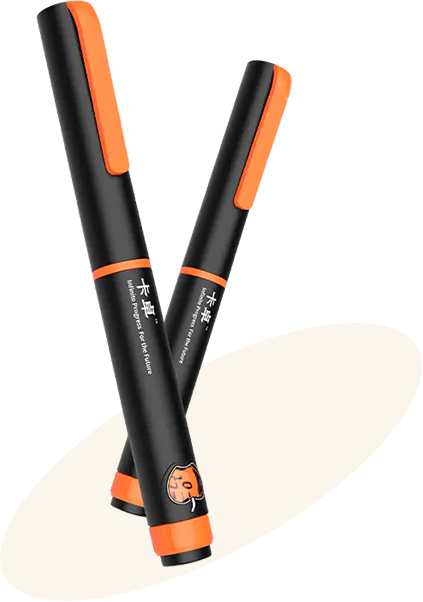 KaZhuo KZB-1R Reusable Manual Insulin PenReusable 3 mL cartridge pen with manual 1–60 unit dosing and color options, suited for clinics comparing cost per delivered unit.View Product →
 Yongjie Industrial Product Categories: Medical Devices to Auto PartsBrowse Yongjie’s medical devices, lamps, small appliances, and auto parts, including reusable insulin pens and custom ODM options for sourcing.View Product →
A reusable 3 mL cartridge pen shifts ongoing cost from the device to the consumables. A patient injecting twice a day runs through roughly 730 needles and 60 to 90 cartridges a year, while one pen body can serve for years if the dial and spindle are treated well. That changes the procurement comparison from price per pen to cost per delivered unit, which has to include priming volume, drug left in the cartridge at changeover, and needle quality.
Reuse also carries a waste argument that buyers increasingly need to document. Yongjie publishes its ESG and carbon neutrality commitments alongside its device range, and a reusable pen platform fits that narrative better than a fully disposable one: the high-precision parts stay in service while only the cartridge, piston and needle are consumed.
If you are comparing 3 mL cartridge pens, test with the cartridge your market actually stocks, ask for accuracy data at the lowest dial setting as well as the highest, and price the device as cost per delivered unit. The cartridge is close to a commodity. The pen around it is where dose reliability, patient complaints and long-term spend are decided.

 Custom Pen Compound Syringe Manufacturers