


 English
 عربى
 中文简体

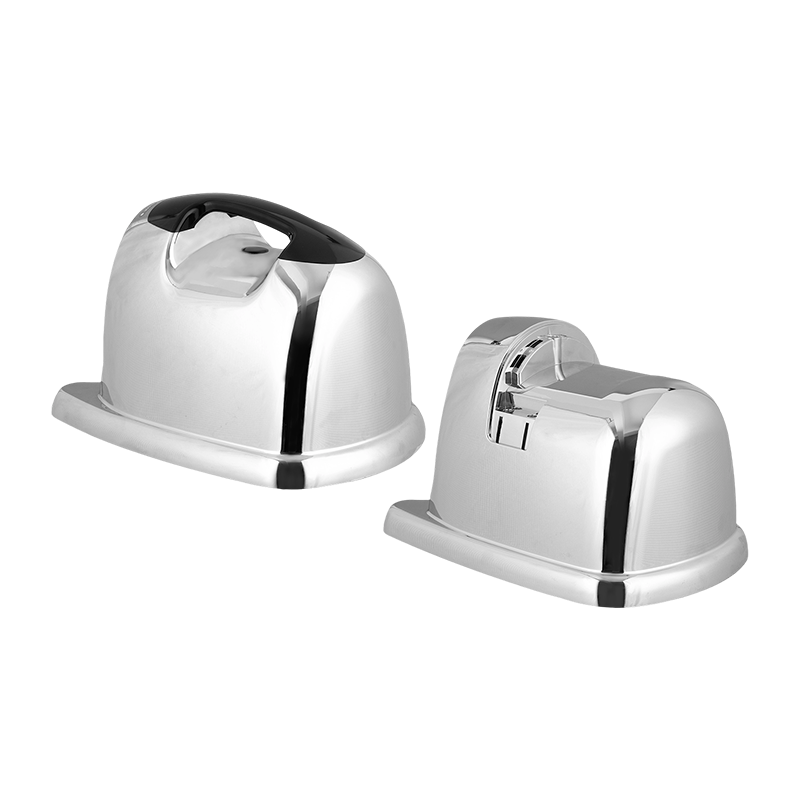
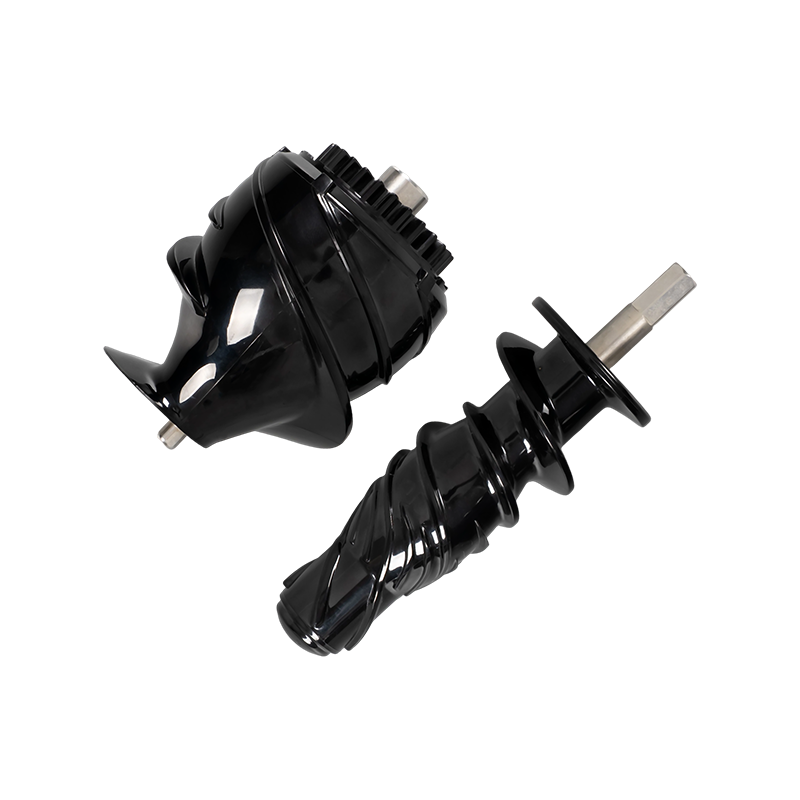
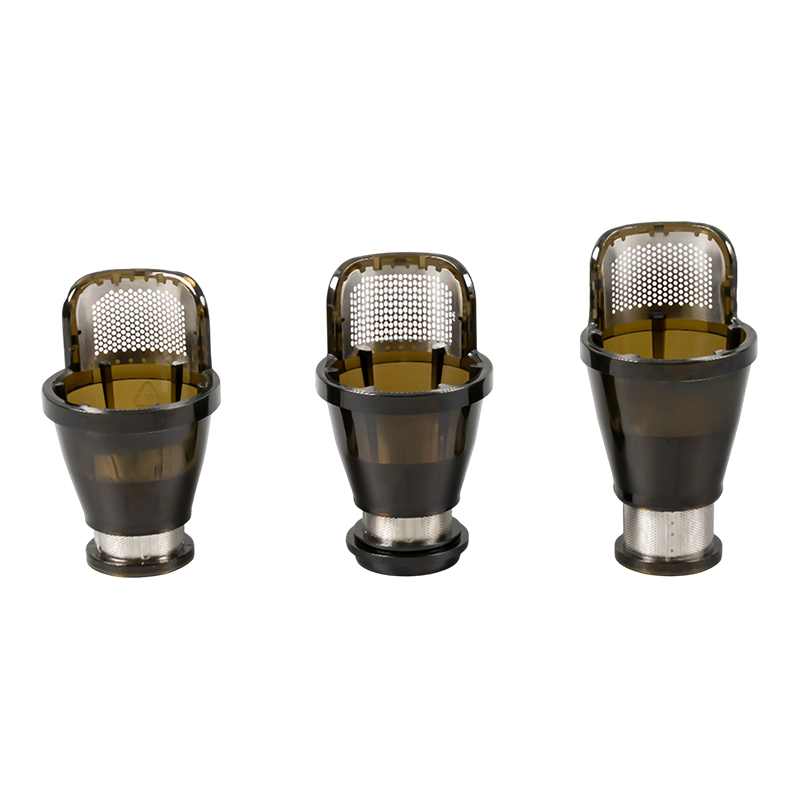
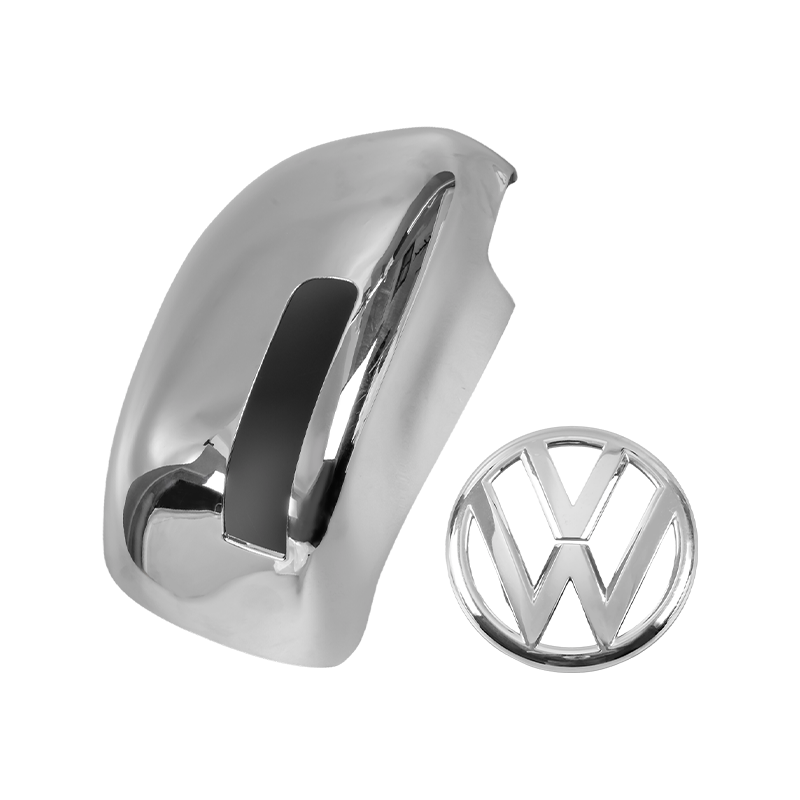
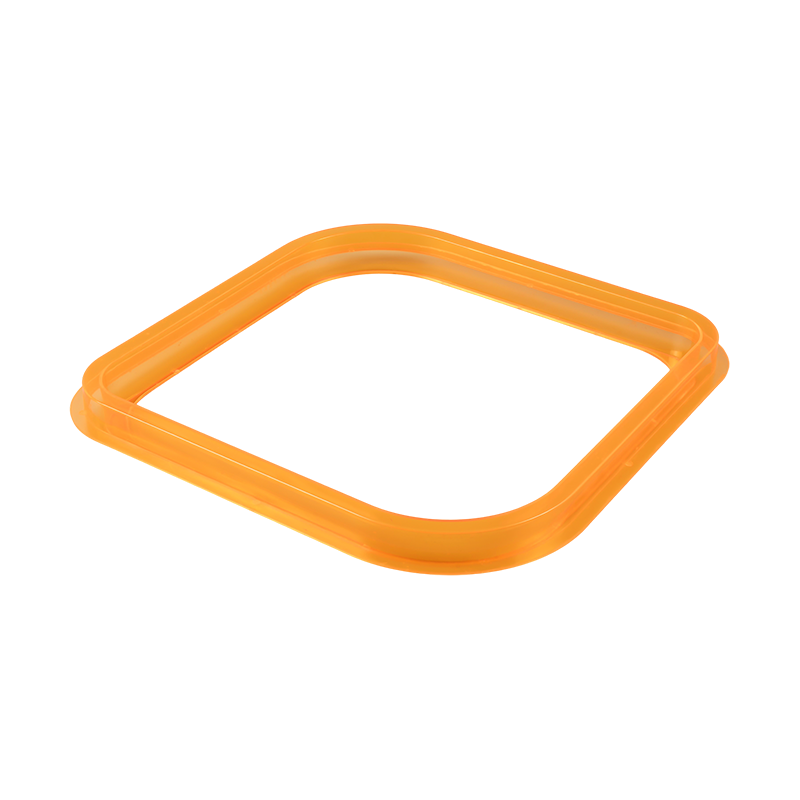
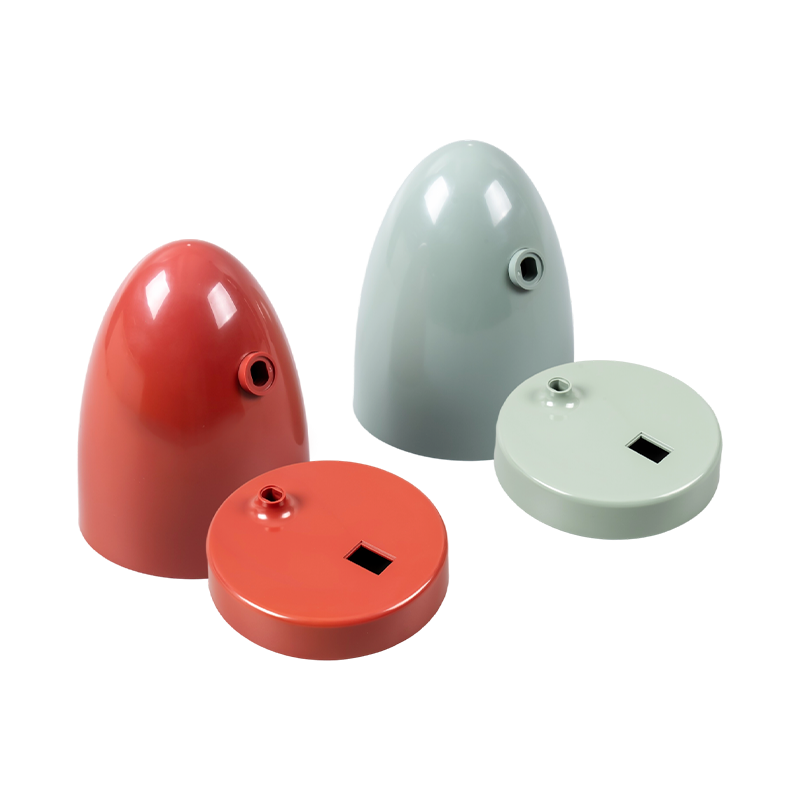
Galvanized Appliance Components
Galvanized components for home appliances are constructed from high-quality engineering plastics, specifically poly...
Content
A clinic nurse reaches for a semi automatic pen because the label promises fewer steps. The real question is which steps the pen automates, which remain manual, and whether that partial automation reduces dosing errors without raising training, waste, or procurement risk.
In most injectable therapies, a semi automatic pen sits between a manual pen and a fully automatic injector. It may assist needle insertion, spring-load the injection, or automate part of dose delivery, while the user still prepares the cartridge, attaches the needle, dials the dose, or confirms the injection. That help can be useful, but it is not a guarantee of accuracy.
Conclusion first: choose a semi automatic pen when the automated step solves a specific problem, such as weak grip, poor vision, or high injection volume. Choose a manual reusable pen when cost, visual dose confirmation, and long-term simplicity matter more than assisted delivery.
Pen injectors share a common architecture: a body, a dose dial, a cartridge or prefilled reservoir, a needle hub, and an injection button. In a manual pen, the user dials the dose and pushes the button with thumb force. In a semi automatic pen, one or more of those actions are assisted by a spring, a motor, or another mechanism. The label does not tell you which step is automated.
Ask three questions before comparing models:
Those answers determine training time, cost per dose, and failure modes. A spring-assisted injection can reduce thumb force for patients with arthritis, but it may not improve accuracy if the user fails to prime the pen or leaves air in the cartridge.
The table below summarizes practical differences for clinic buyers, distributors, and caregivers.
| Feature | Manual pen | Semi-automatic pen | Fully automatic pen |
|---|---|---|---|
| Dose setting | User dials and confirms | Usually user dials; some powered models set dose | Often set by device or digital interface |
| Needle insertion | Manual | May be manual or assisted | Usually automated or hidden |
| Injection force | Thumb pressure | Spring or motor assisted | Motor driven |
| Reuse | Common in reusable pens | Varies; reusable and disposable options exist | Often disposable or cartridge-based |
| Training needs | Moderate; technique dependent | Moderate; depends on automated step | Higher upfront; device-specific |
| Cost profile | Low recurring cost if reusable | Mid to high upfront; variable per-dose cost | Highest device cost; convenience premium |
The chart below uses a text scale to show relative manual effort. It is a planning aid, not a laboratory measurement.
| Pen type | Typical manual steps | Relative effort |
|---|---|---|
| Manual reusable | Dial, insert, inject, hold | ########## |
| Semi-automatic | Dial, insert, trigger, hold | ####### |
| Fully automatic | Prepare, place, trigger | #### |
A semi automatic pen can reduce effort, but it may also add a battery, a spring, or a proprietary cartridge. Those additions affect storage, cleaning, spare parts, and warranty. A manual reusable pen has fewer parts that can fail, which is why many clinics still stock them for stable, well-trained patients.
Automation does not remove the need for priming, correct needle attachment, and proper injection technique. A pen may be validated to deliver doses within the applicable ISO 11608-1 tolerance, but real-world accuracy can drift when users skip priming, use the wrong needle length, or inject into scarred tissue.
The highest-risk moments are:
For a deeper look at how multi-dose injectors maintain accuracy, see this explanation of dosing precision in multi-dose injectors. Precision is a system property: device, cartridge, needle, and user behavior together determine the delivered dose.
Reusable pens use replaceable cartridges and needles. They typically have a higher upfront device cost but a lower cost per dose over time. Disposable prefilled pens are simpler to prescribe and track, but they generate more plastic waste and often cost more per dose. A semi automatic reusable pen can combine assisted injection with lower long-term waste if cartridge supply is reliable and patients return for refills.
Waste and cost are linked. A clinic that switches to reusable cartridges may reduce sharps and plastic volume, but it must manage cartridge inventory, cold-chain storage, and cleaning. Manufacturers with public ESG practices often document these commitments, which can matter in tenders with sustainability criteria.
Before adding a semi automatic pen to a formulary or catalog, verify the details below. The goal is to avoid a pilot that fails because a needle, cartridge, or training document was not compatible.
| Area | Question to ask | Why it matters |
|---|---|---|
| Regulatory status | Is the device registered in the target market? | Unregistered devices cannot be legally distributed. |
| Dose range | Does it cover the required units or milliliters? | Pediatric and high-dose adult needs differ. |
| Needle compatibility | Which needle brands and lengths are validated? | Wrong needles affect dose depth and accuracy. |
| Cartridge supply | Are cartridges available in the same market? | A reusable pen without cartridges becomes unusable. |
| Training | Are IFUs, videos, and train-the-trainer materials provided? | Most errors happen in the first weeks of use. |
| Service and spare parts | What is the warranty and repair path? | Mechanical and electronic parts can fail. |
For reusable devices, ask for cleaning instructions and material compatibility. For semi automatic devices, ask what happens when the assist mechanism jams or the battery fails. A clear failure-mode plan is more valuable than a broad claim about ease of use.
A semi automatic pen is not automatically the best choice for every patient. If the user has good dexterity, understands priming, and wants visual confirmation of every dose, a manual reusable pen may be more predictable and less expensive to operate.
One example from the Yongjie (Zhejiang) Industrial Development product line is the manual visualization reusable insulin pen. It is designed around manual dose dialing, visual feedback, and reusable cartridges, which aligns with buyers who prioritize control and recurring cost over assisted injection. The manufacturer also states that it holds patents for reusable and disposable portable liquid delivery devices.
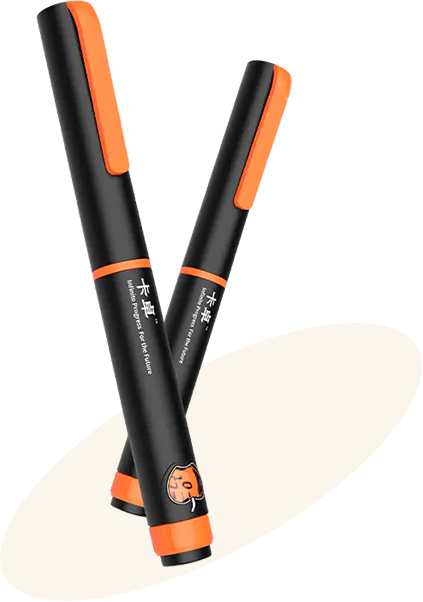 Manual Visualization Reusable Insulin Pen KZB-1RA manual reusable pen for 3 ml insulin cartridges with 1–60 UI dosing and visual feedback, suited to users prioritizing dose control and reusable-cartridge economy.View Product →
For teams still considering a semi automatic pen, compare the assisted step against the manual alternative. If the assist does not solve a specific dexterity or adherence problem, the added mechanism may not justify the higher price or spare-part dependency.
A semi automatic pen is defined by partial automation, not by superior outcomes. It can help when thumb force, needle handling, or dose delivery is the main barrier. It is less compelling when the real constraint is cost, cartridge availability, or patient training.
Buyers should request the instructions for use, confirm the automated step, check dose accuracy claims against the intended patient group, and test the device with the needles and cartridges that will actually be stocked. Start with the clinical and operational constraint, then choose manual, semi automatic, or fully automatic.

 Custom Pen Compound Syringe Manufacturers