


 English
 عربى
 中文简体

Galvanized Appliance Components
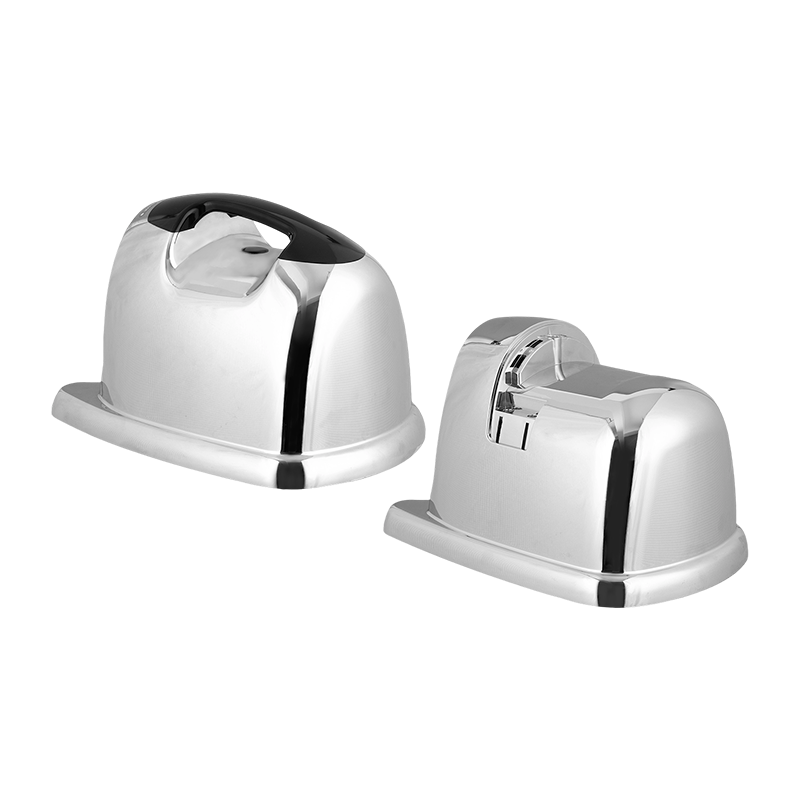
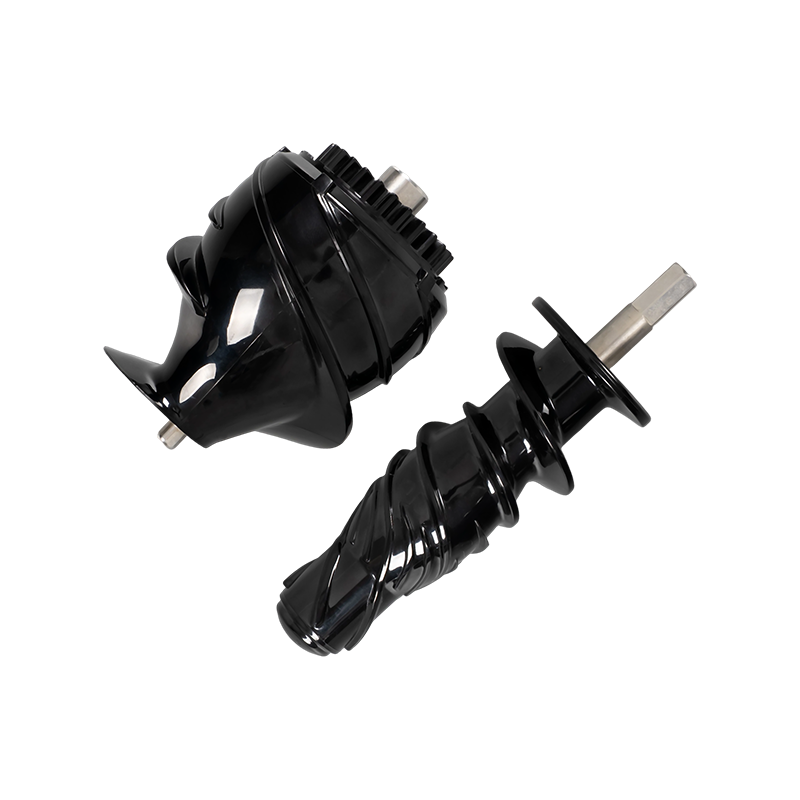
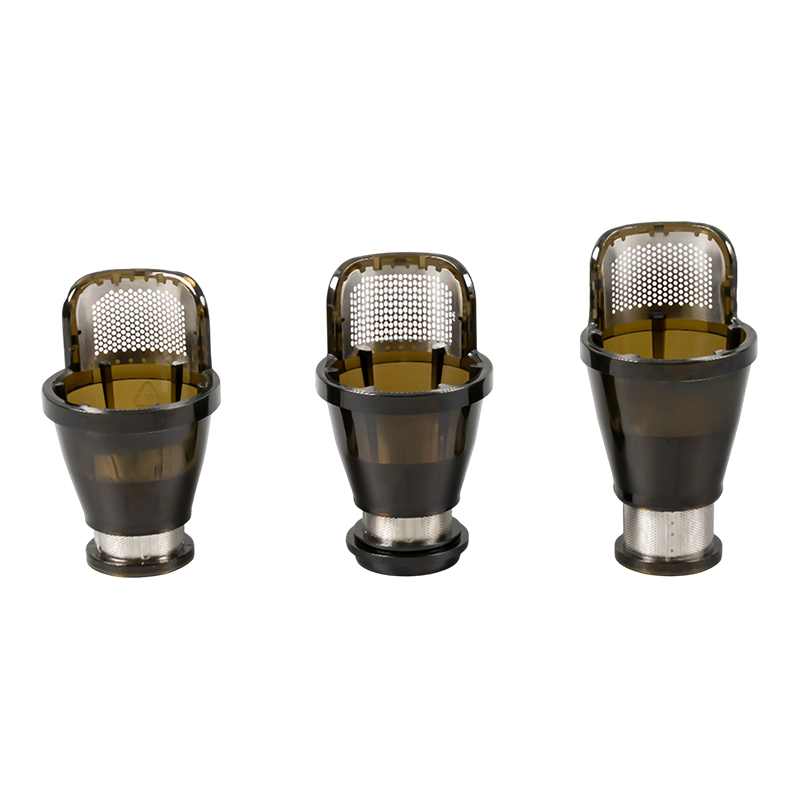
Galvanized components for home appliances are constructed from high-quality engineering plastics, specifically poly...
Content
Three quotations for the same auto injection pen sit in your inbox, and the unit prices land within a few cents of each other. By the third shipment one supplier's price has crept up, a mold needs repairing at your cost, and the dose accuracy report you asked for is still "being prepared in the lab". The pen did not change; the supplier's engineering depth did.
Here is the short version: shortlist auto injection pen suppliers on device format, in-house molding and assembly, dose accuracy evidence, and tooling ownership. Unit price belongs at the end of the evaluation, because those first four decide whether the price survives a full order cycle.
"Auto injection pen" is a label people use for at least four different products, and the difference decides which factories can quote at all. An automatic injector is spring-driven: the user presses a trigger and the needle inserts and retracts. A manual pen relies on the user's thumb force and dwell time. Disposable pens arrive prefilled and are discarded after use; reusable pens take a replaceable 3 mL cartridge and keep the body.
Send the same enquiry to the wrong category and you will collect quotations that look comparable but describe different devices. State in the RFQ: automatic or manual, prefilled or cartridge-based, two-step or three-step activation, dose range and smallest increment, cartridge standard, and whether the pen carries your brand or the factory's.
Draw the options once and the shortlist becomes easier to reason about. The branch below reflects the usual separation in pen injector catalogues.
Each branch carries different sourcing logic. Prefilled automatic injectors pull you toward drug-delivery contract manufacturers who handle fill-finish. Cartridge-based reusable pens pull you toward molding and precision-assembly suppliers who control the click mechanism, the dose dial and the cartridge holder.
Ask these before samples move; the answers narrow the field faster than any brochure.
Dose accuracy is the sum of dial detent geometry, thread pitch, cartridge bore tolerance, septum compression and the user's injection technique. A pen that delivers within tolerance on a full cartridge can drift at the low end, when the piston has travelled further and friction builds.
Practical checks: request dose delivery data at the start, middle and end of cartridge life; ask whether testing covers the full dose range including the smallest increment; and ask what happens after a one-metre drop. The measurement side is worth understanding in detail, and our note on dosing precision in multi-dose injectors walks through how accuracy is verified rather than asserted.
Reusable pens suit patients on stable regimens who want lower long-term consumable cost. Disposable prefilled pens suit short courses, travel and patients who should not handle cartridges. Manual designs keep the device simple and repairable; automatic designs reduce technique variation in clinics where many hands administer doses.
If your channel is a distributor serving cost-sensitive markets, a manual, visualised, reusable design is often the practical middle ground: the user can see the dose window, and the body is bought once rather than monthly.
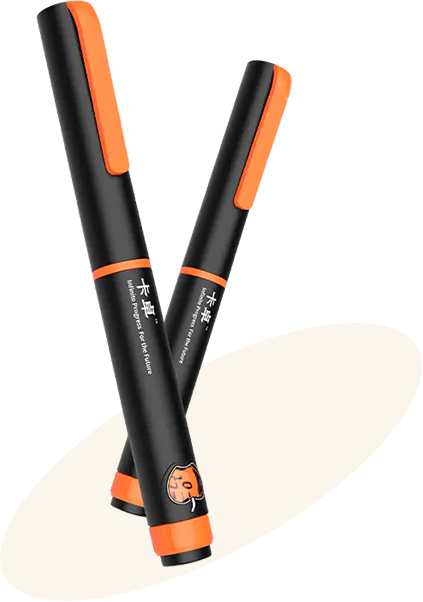 KaZhuo KZB-1R Manual Reusable Insulin PenReusable manual pen for 3 mL cartridges with 1–60 U dose control and a visual window, suited to cost-sensitive distributor channels.View Product →
Comparing quotations line by line rewards whoever wrote the tightest spreadsheet. Compare evidence instead, and weight the criteria to match your channel before anyone is scored.
The percentages above are an example weighting model, not industry statistics. Shift them if your tender is price-led or if your regulator asks for more validation depth.
| Criterion | Evidence to request | Red flag |
|---|---|---|
| Dose accuracy | Test protocol plus raw delivery data | "Typical values" quoted with no method |
| Tooling | Mold ownership clause and cavity count | Ownership confirmed only verbally |
| Material | Resin grade certificates and supplier name | "Medical grade" with no grade code |
| Traceability | Lot records linking resin batch to carton | No link between assembly lot and material lot |
| Capacity | Press list and realistic monthly output | MOQ renegotiated on every order |
MOQ is arithmetic, not mood. It usually equals the smallest economic run across the cavities of the mold, plus the assembly batch size. A four-cavity tool running 2,000 pieces is a different proposition from an eight-cavity tool running 8,000, and the per-unit gap between them is often wider than the gap between suppliers.
Build total landed cost from unit price, tooling amortisation, packaging, freight and duty, incoming inspection, and the cost of one rework round. Then add the line most spreadsheets miss: the engineering hours your team spends chasing drawings and change approvals.
Request, in writing:
If your tender includes sustainability scoring, read the supplier's environmental disclosures early. Yongjie's ESG page is the sort of material public buyers now ask to see alongside a quotation.
Yongjie (Zhejiang) Industrial Development Co., Ltd. is a Zhejiang-based manufacturer that moved from paper production into injection molding between 2010 and 2021, and was established under its current name in 2021 with a dedicated engineering team. Its medical line centres on insulin pen platforms, backed by two Chinese invention patents covering reusable (ZL202210368411.0) and single-use (ZL202210368409.3) portable liquid delivery devices. The wider catalogue covers medical devices, lighting, small appliances and automotive parts, which matters when a project needs several molded assemblies from one tooling base.
For a buyer shortlisting suppliers, the relevant question is not whether the factory is large. It is whether the supplier owns the mechanism design and can evidence dose performance on paper and in a sample box.
 Yongjie Medical Devices and Custom Manufacturing CategoriesCompare Yongjie’s four ODM ranges, including a reusable insulin pen with 1–60 U dosing and documented medical-device specifications, for supplier shortlisting.View Product →
Before signing, order samples from two suppliers and test them the way patients will: a full cartridge, the smallest increment, after a one-metre drop, after two weeks in a warm room. Log every dose. The supplier whose data matches its quotation is the one worth scaling with; the rest will charge you the difference later, in rework, mold repairs and a delayed launch.

 Custom Pen Compound Syringe Manufacturers