


 English
 عربى
 中文简体

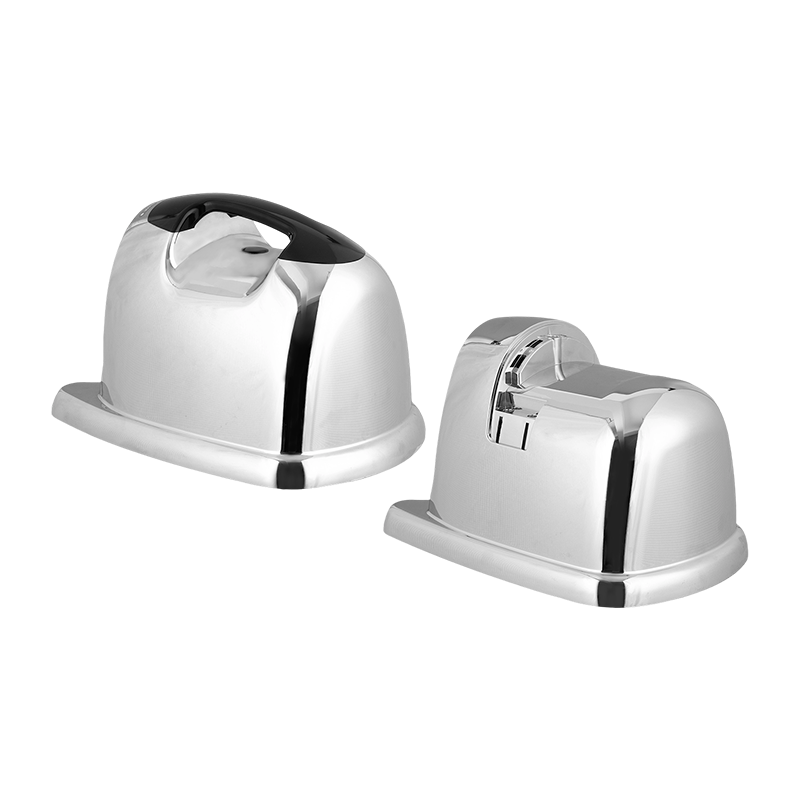
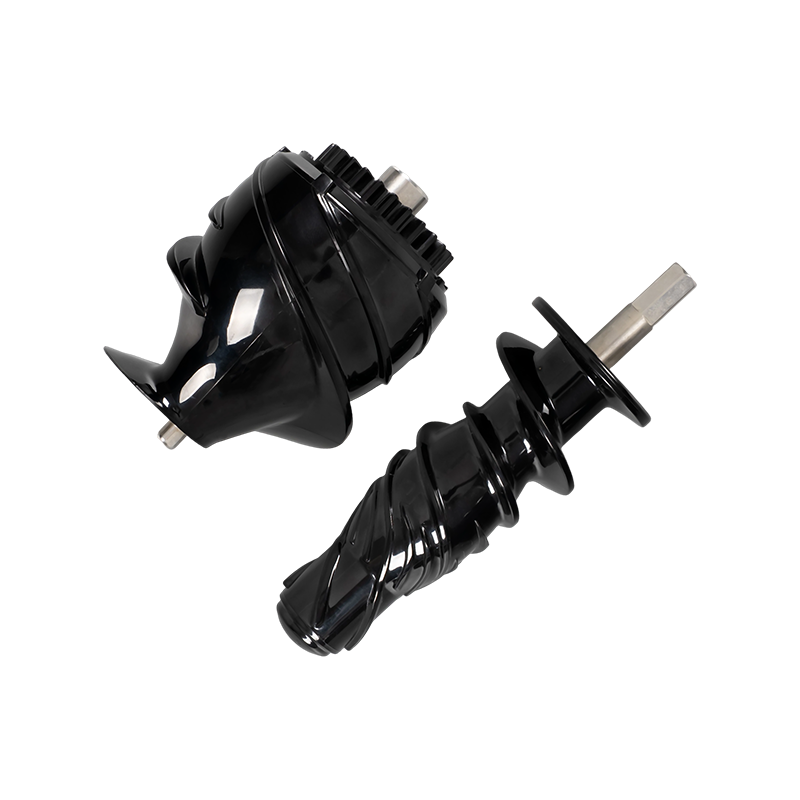
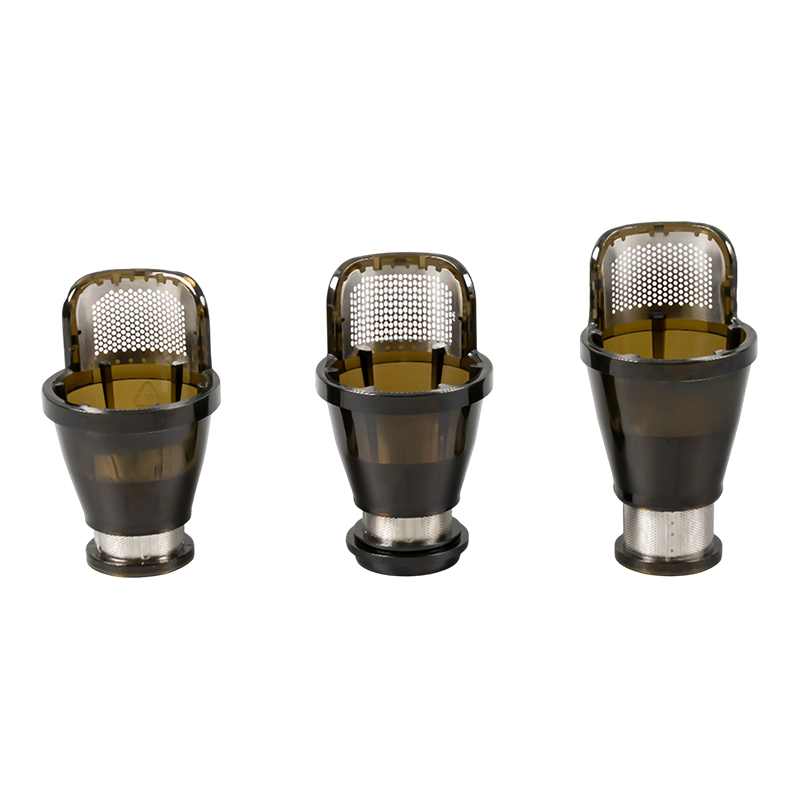
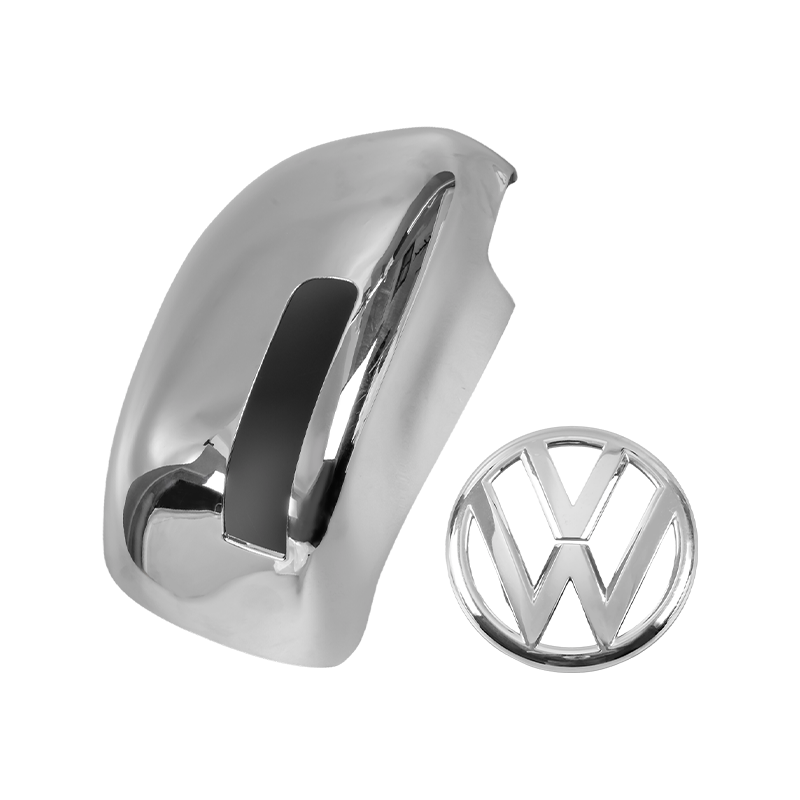
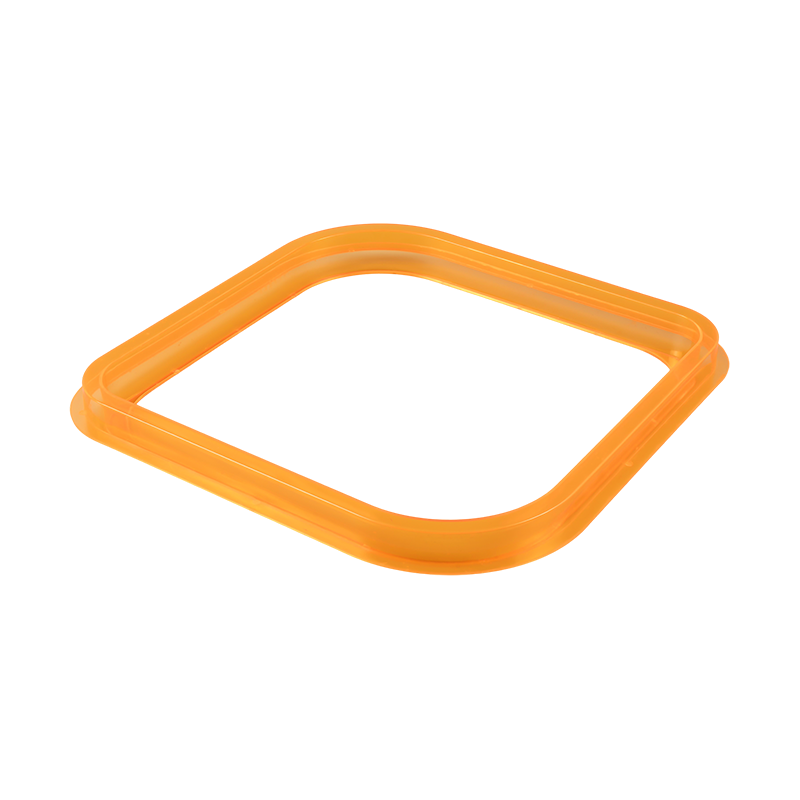
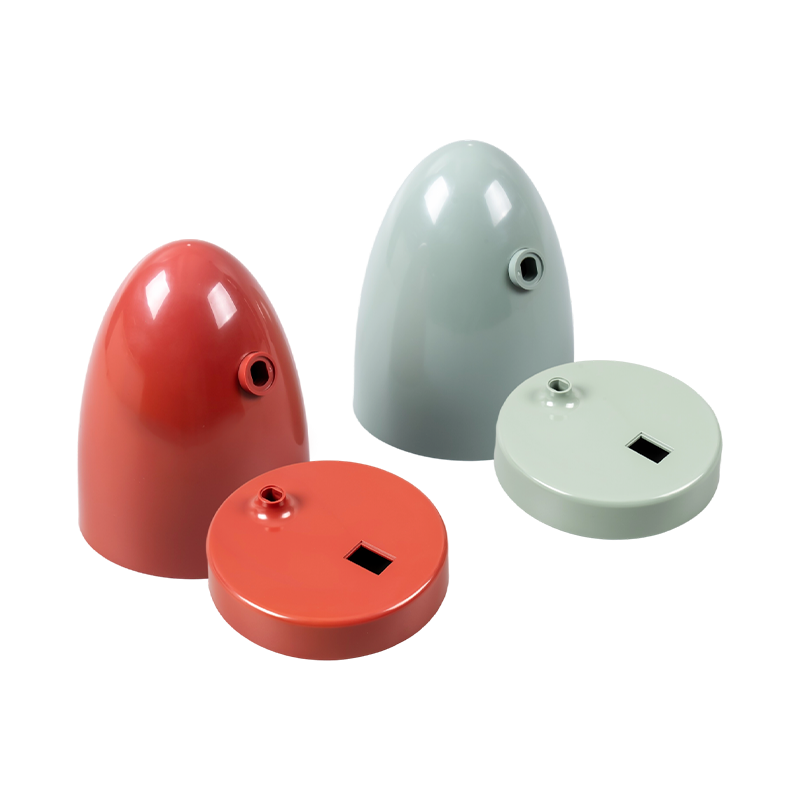
Galvanized Appliance Components
Galvanized components for home appliances are constructed from high-quality engineering plastics, specifically poly...
Content
Monday morning in a diabetes clinic: a newly diagnosed patient needs to start insulin therapy. The clinician hands over a disposable injection pen, pre-filled with a fixed insulin dose, and explains that there is no cartridge to load and no pen to refill — when the dose counter reaches zero, the whole device goes into a sharps container. For many patients, this simplicity is exactly why disposable pens are prescribed. But for hospital purchasing departments and public health programs, the choice between disposable and reusable devices is less clear-cut. It depends on patient dexterity, dose flexibility, total procurement cost, and the manufacturer's ability to keep batch-to-batch quality consistent.
The key takeaway: disposable injection pens excel in convenience and reduce the risk of technique errors, but they trade away dose adjustment flexibility and contribute to plastic waste. Understanding those trade-offs helps buyers match the pen to the patient population instead of defaulting to a single format.
An injection pen is a self-contained, portable device for subcutaneous medication delivery. A disposable injection pen arrives fully assembled and pre-filled with medicine. The patient attaches a pen needle, selects the prescribed dose (or uses a fixed-dose model), injects, then detaches the needle and stores the pen for the next injection. Once the internal cartridge is empty or the pen's approved service life ends, the entire device is discarded.
Disposable pens fall into two groups: single-dose pens, commonly used for acute therapies or emergency doses, and multi-dose disposable pens that deliver a set number of injections over a short period, typically up to 28 days. The term “disposable” in this context does not mean the pen is intended for one injection only; it means the complete pen is not designed to be reused with a replacement cartridge.
The main advantage of this format is ease of use. There is no cartridge insertion step, no priming of a reusable mechanism, and a lower chance of contamination because the pharmacy or factory seals the medication. The limitation is equally clear: most disposable pens offer a narrower range of dose increments, and the entire plastic body is thrown away even though only the insulin cartridge is exhausted.
Before choosing a delivery platform, it helps to compare the two formats across the factors that matter most in procurement and clinical decision-making.
| Aspect | Disposable Pen | Reusable Pen |
|---|---|---|
| Initial purchase cost | Low per unit | Higher device cost |
| Cost per injection | Can be higher over time | Lower once device is amortized |
| Dose flexibility | Often limited to fixed or coarse increments | Usually allows fine, adjustable doses |
| Maintenance | None – pen is discarded | Requires cleaning and careful cartridge replacement |
| Risk of handling error | Lower – no cartridge loading | Higher – user must align cartridge correctly |
| Waste footprint | Whole plastic pen discarded | Only cartridge and needle discarded |
| Best suited for | Travel, first-time users, fixed-dose stable patients | Long-term therapy, patients needing dose titration |
The comparison shows why there is no universal winner. A disposable pen may be the most economical route when total insulin volume per patient is low or when the clinical team wants to avoid user errors in cartridge loading. A reusable pen becomes more attractive when a patient needs multiple injections per day for years, because the durable body quickly pays for itself through cheaper refill cartridges.
For procurement teams, the real question is not “which type is best” but “for which patient segment, under which usage pattern, and at what volume?” A mixed strategy often works best: disposable pens for outreach programs and stable patients, reusable pens for specialized endocrinology clinics and patients with variable dosing requirements.
The visible difference between a reliable disposable pen and a dangerous one is often hidden inside the injection-molded plastic parts. The dose-selection sleeve, piston, and cartridge holder must hold tight tolerances after molding. A distortion of even a tenth of a millimeter can increase plunger friction, cause insulin leakage, or shift the delivered dose outside the clinically acceptable range.
Manufacturers validate pen injectors against international standards such as ISO 11608-1. This standard defines requirements for dose accuracy, priming, and injection force. In practice, a well-designed disposable pen should deliver the same dose on the first injection as on the last injection, even as the piston travels down a long cylinder. This consistency depends on mold design, material selection, and process control.
Material compatibility is equally important. The plastic body must not absorb insulin components or release leachable substances under normal storage conditions. The elastomer seal around the cartridge must remain soft enough to create a seal, but firm enough to move smoothly. For more detail on how dose accuracy is maintained across multiple injections, see our analysis of dosing precision in multi-dose injectors.
When buying disposable pens in large volumes, ask for batch release reports and process capability data. A supplier that cannot demonstrate control over injection molding parameters such as melt temperature, mold temperature, and cooling time will struggle to produce consistent parts at scale.
Price per unit is only one element of total cost. In projects where the pen is distributed through a hospital system or national program, failures create hidden expenses: investigating complaints, replacing devices, and managing patient safety incidents. The following table summarizes what to verify before signing a supply agreement.
| Category | What to check | Why it matters |
|---|---|---|
| Regulatory compliance | ISO 11608-1, ISO 13485, market registrations | Ensures the device meets recognized safety and performance standards |
| Material safety | Biological evaluation, extractables, insulin compatibility | Prevents contamination or chemical interaction with the drug |
| Usability | Dial clarity, injection force, grip design | Supports correct use by elderly, low-vision, or first-time patients |
| Manufacturing capability | Injection molding precision, QC sampling, batch release data | Maintains dose accuracy across millions of units |
| Supply chain | Lead time, capacity, packaging, cold-chain logistics | Avoids stockouts and protects insulin stability |
| Environmental impact | Recyclability, take-back programs, material reduction | Reduces waste burden on health systems |
When comparing quotes, request engineering files and sample batch reports. Ask how the manufacturer handles non-conforming lots and rejected devices. A slightly higher unit price is often worth paying if it comes with documented quality control and reliable delivery.
Disposable pens create undeniable convenience for the patient, but they also generate a steady stream of plastic waste. In large diabetes programs, a single clinic can discard hundreds of plastic pen bodies every month. Because used pens may carry residual medication and are considered potential biohazards, recycling is complicated.
This is why many procurement teams now evaluate reusable pens as part of a mixed fleet. Reusable pens eliminate the plastic outer shell from every injection cycle; only the refill cartridge and needle enter the waste stream. The cumulative cost curve below shows how the two formats compare in relative terms.
In this illustrative model, the disposable pen has a low entry point but climbs steadily, while the reusable pen starts higher and rises slowly. In real procurement, the crossover point depends on the number of injections per year, the negotiated price of refill cartridges, and the usable life of the device. For a patient using two injections a day, the crossover can happen within the first few months. For a patient using only one pen per month, disposables may remain cheaper.
Organizations that want to reduce waste without sacrificing dose visibility should consider a reusable pen with a visual dose confirmation design. These devices combine the accuracy of a mechanical injector with an easy-to-read dose display, which is especially useful for older patients. Yongjie's manual visualization reusable insulin pen is an example of this approach, manufactured for partners who want to offer patients a lower long-term cost and a reduced environmental footprint.
 Reusable Insulin Pen with Visual Dose ConfirmationThis reusable pen combines a clear dose display with precise 1–60 unit adjustment, supporting sustainable use and consistent accuracy for organizations addressing long-term patient needs.View Product →
When evaluating such products, focus on the same standards outlined above: dose accuracy, material safety, ease of use, and supplier quality systems. A reusable pen must last through many cartridge changes without losing precision, so the metal or plastic components need even better wear resistance than those in a disposable pen.
Deciding between disposable and reusable injection pens is not a purely clinical question; it is also an engineering and supply-chain question. A manufacturing partner with injection molding experience can help you compare device designs, review test protocols, and adjust product specifications for your target market. This is especially valuable when you need to move from a concept to a validated product quickly.
Yongjie (Zhejiang) Industrial Development Co., Ltd. started as an injection molding company and now focuses on diabetes management devices. The company holds patents for both reusable and disposable portable liquid delivery devices, which means it can discuss trade-offs without being locked into a single manufacturing format. Its specialists work with clients to evaluate dose accuracy, material compatibility, and regulatory strategy before production begins. You can review the broader product range, or read about its sustainability commitments.
For health systems and distributors, the most valuable capability is early-stage honesty. A good partner will confirm whether your target price and volume can be achieved without compromising the dosing mechanism, rather than accepting the order and then cutting corners. This is where the reputation of the injection molding operation matters.
Ultimately, the best product is not defined by the label “disposable” or “reusable.” It is the pen that meets patients' dosing needs, passes regulatory scrutiny, fits the lifetime budget, and supports your organization's environmental goals. A capable manufacturing partner helps you define that specification clearly and then reproduce it consistently in high volumes.
In summary, disposable injection pens play an irreplaceable role in modern diabetes care thanks to their simplicity and low handling risk. But their long-term economics and environmental footprint require scrutiny. Compare total costs, verify manufacturing quality, and consider reusable alternatives when the patient population and budget align. This balanced approach turns a routine purchasing decision into a durable clinical and financial success.

 Custom Pen Compound Syringe Manufacturers