


 English
 عربى
عربى 中文简体
中文简体
Galvanized Appliance Components
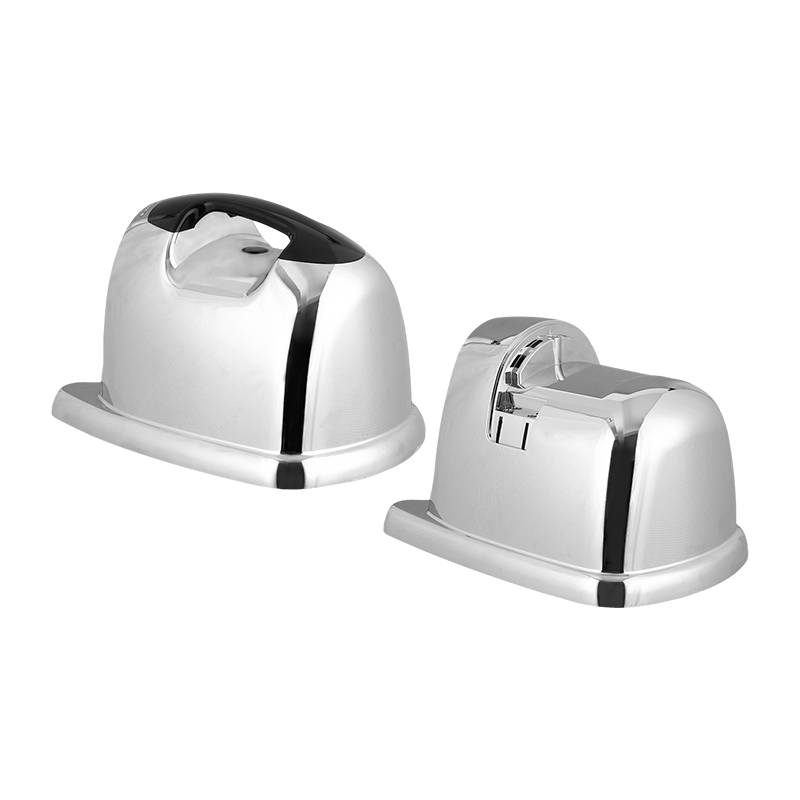
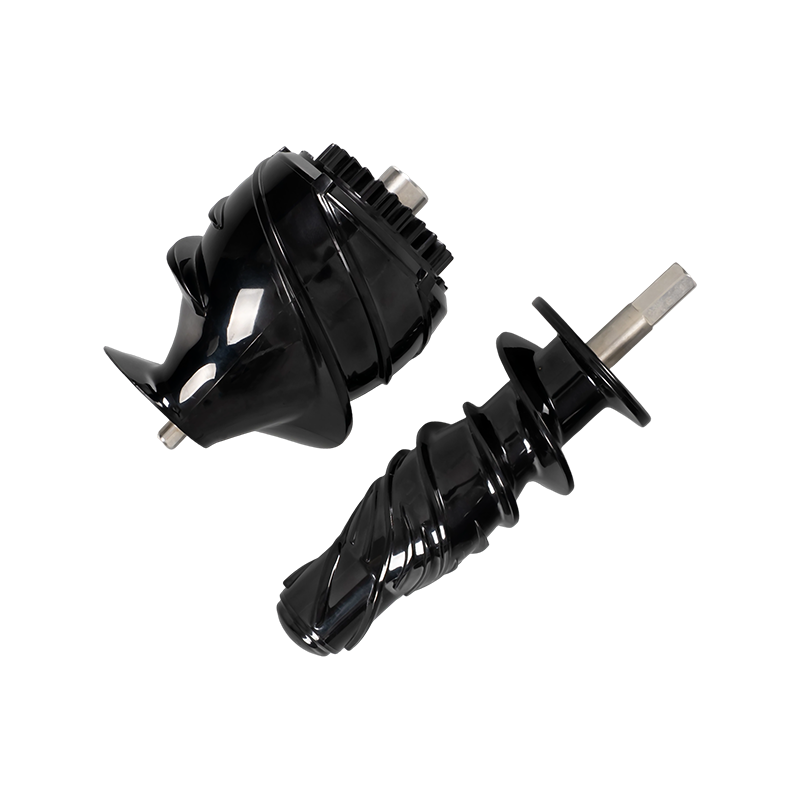
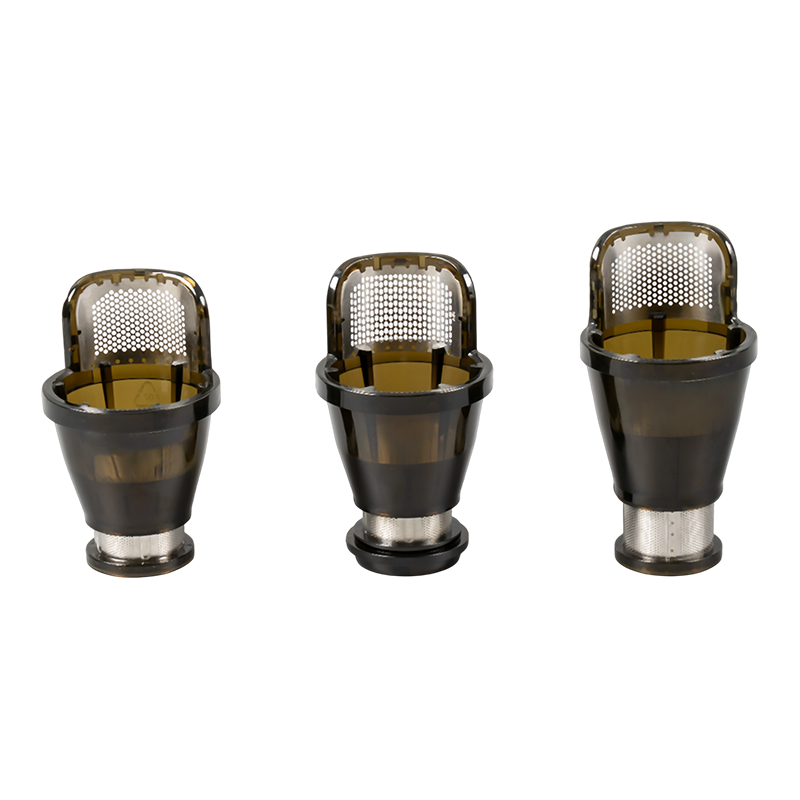
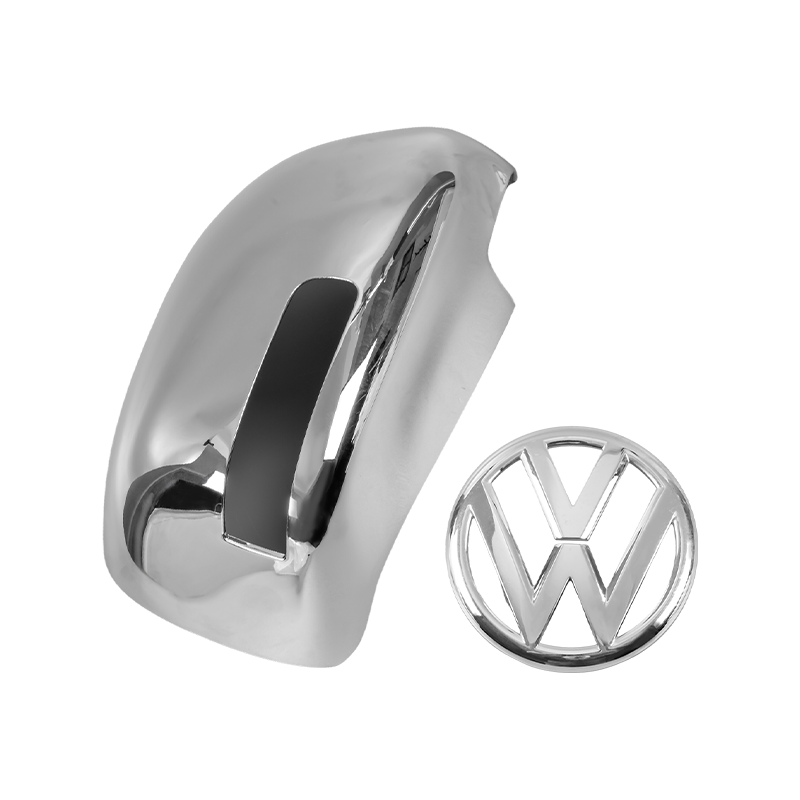
Galvanized components for home appliances are constructed from high-quality engineering plastics, specifically poly...
Content
Disposable injection pens are a standard part of injectable therapy for insulin and several other chronic-care medications. Their appeal is easy to understand: the pen arrives pre-filled, the patient selects the prescribed dose, delivers the injection, and discards the whole unit when empty. No cartridge change, no maintenance, and no risk of confusing one medication with another.
For procurement teams, however, the word "disposable" hides a more complicated calculation. The unit price is low, but the cost per dose, the dosing flexibility, and the environmental footprint all behave differently than they do with reusable multi-dose pens. This article explains how disposable injection pens work, which specifications actually matter on the order sheet, and when a reusable design is the better buy.
A disposable injection pen is a pre-filled, single-patient-use injector. The medication, typically insulin, a GLP-1 receptor agonist, or another injectable prescribed in multi-dose regimens, is sealed inside the pen during manufacture. When the reservoir is empty, the entire device is discarded.
There are two common construction types:
In both cases, the working principle is the same. A plunger inside a glass cartridge is advanced by a spring-loaded or manual screw mechanism when the patient presses the injection button. The dose dial or fixed stop determines how far the plunger moves, and therefore exactly how much liquid passes through the needle. Because the mechanism is factory-calibrated and never adjusted by the user, the accuracy of a disposable pen depends entirely on manufacturing precision and quality control.
The common assumption is that disposable pens are cheaper because the purchase price is lower. That comparison usually misses the larger picture. The table below summarizes the differences that matter over a treatment period of 12 to 24 months.
| Criterion | Disposable injection pen | Reusable injection pen |
|---|---|---|
| Device cost per patient | Low, but paid repeatedly on every pen | Higher once, then spread over years of use |
| Cost per dose | Higher; every injection includes the cost of the mechanism and housing | Lower; the device cost amortizes and only the cartridge is replaced |
| Dose flexibility | Limited to the fixed or preset range of the specific pen model | Broad dial range, adaptable to prescription changes |
| Maintenance | None | Simple hygiene and cartridge-change training |
| Risk of misuse | Low; a patient cannot accidentally reuse a pen with the wrong medication | Requires patient discipline to match the cartridge with the correct device |
| Waste per patient-year | 24 to 52 completely discarded pens, depending on dose frequency | One device plus 24 to 52 cartridge refills; significantly less plastic and packaging |
For a hospital or distributor, the disposable format wins on logistics and training simplicity. For a patient who injects daily for years, the reusable format wins on long-term cost and waste reduction. Many clinics therefore use both: disposable pens for short treatment courses, insulin-naive patients, and in-patient wards, while patients on lifelong therapy move to a reusable insulin pen with replaceable cartridges.
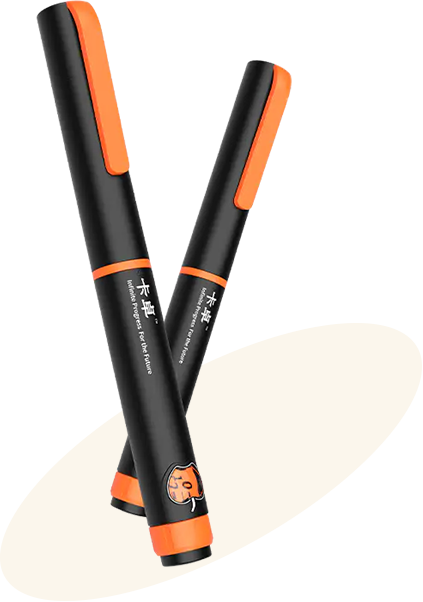 Reusable Insulin Pen with Manual Visualization for Daily InjectionsThis reusable insulin pen is suited for patients on lifelong daily therapy, offering replaceable cartridges that reduce long-term waste and disposal costs compared to disposable pens.View Product →
The environmental difference matters more every year. A single patient on a daily injection produces roughly one discarded plastic device every 10 to 30 days with disposable pens. Procurement organizations subject to ESG reporting, or simply accountable for waste reduction, now factor disposal cost into tenders rather than purchase price alone. Our ESG reporting page explains how we evaluate material use and waste across the product life cycle, a calculation that should also be part of your tender criteria.
Not all disposable injection pens perform alike. The following five points determine whether a device is acceptable to patients and staff, and whether it holds up under regulatory scrutiny in your market.
The clinically meaningful test is not the stated dose but the delivered dose. Standards such as ISO 11608 define how pen injectors are tested under laboratory conditions. For most insulin pens, the delivered dose must remain within a small tolerance band, typically plus or minus 5 percent at the lowest dial position and tighter at mid-range doses. A manufacturer that cannot provide delivered-dose validation data across the full dose range, from first to last dose, should not pass your qualification process. Our technical review of dosing precision in multi-dose injectors explains why this is the first number to examine.
Many patients using disposable injection pens are older adults or have impaired vision. High-contrast numbers, a non-glare window, and a clear end-of-dose indicator reduce the chance of under- or over-dosing. This is a design detail that often separates a well-engineered pen from a merely functional one.
Patients with reduced hand strength, or anxiety during self-injection, are sensitive to trigger force. A pen that requires excessive thumb pressure causes trembling, slow motion, or incomplete injections. The injection button should travel smoothly and the force should be consistent from the first dose to the last.
Disposable pens use standard pen needles with a hub design that follows an ISO reference or a proprietary interface. Confirm that the pen model you plan to stock is compatible with the needles already available in your market, and that the needle gauge and penetration depth match the prescribing clinicians' expectations.
Pre-filled pens have a finite shelf life. Check the protected shelf life from manufacture, the in-use life after the pen is opened, and the storage temperature range. For distribution through warm-climate regions, packaging that protects the cartridge from high temperature and mechanical shock is a practical requirement, not a luxury.
The cheapest disposable pen is not necessarily the cheapest treatment plan. The comparison should be done at the level of cost per unit of medication delivered, not cost per device. The table below uses rounded, illustrative figures for a patient who uses 300 units of insulin every 10 days.
| Cost item | Disposable pens | Reusable pen with cartridges |
|---|---|---|
| Hardware cost | Included in the price of every pen | One-time device purchase |
| Consumables over 24 months | 73 pre-filled pens | 73 replacement cartridges |
| Device-related spend | Higher, because 73 precision mechanisms are bought and discarded | Lower, because the same mechanism is reused for years |
| Waste volume | 73 complete pens plus outer packaging | 73 cartridges plus packaging; far less plastic |
The exact arithmetic depends on local pricing, but the structure is consistent. A disposable pen carries the cost of a precision mechanism that is used for only 10 to 30 days and then thrown away. In a reusable system, that mechanism is used for several years and the consumable is a simple cartridge. Over a 24-month window, the reusable route typically produces a lower cost per patient. The disposable route remains attractive for short-term or intermittent therapy, for formularies that want to minimize training, and for patients who find cartridge handling difficult.
For procurement, the practical approach is to segment patient groups. Use disposable pens for acute, short, or first-time use; use reusable pens for continuous multi-year therapy. Then calculate total cost of ownership per patient-year, not per pen.
If your organization decides that a disposable format is the right fit for the patient group you serve, the following checklist reduces the risk of buying a pen that performs poorly after it reaches the clinic.
Disposable injection pens are an essential part of modern injectable therapy, and for specific patients and care settings they are clearly the right answer. The risk is buying on unit price alone and ignoring delivered dose accuracy, patient experience, disposal cost, and the total cost per year of therapy. Define your patient profile, run the numbers over a realistic treatment period, and use the specification checklist to shortlist suppliers. Whether the final decision is a disposable pen or a reusable multi-dose injector, the objective is the same: a device that delivers the right dose, every time, at a cost the healthcare system can sustain.

 Custom Pen Compound Syringe Manufacturers