


 English
 عربى
عربى 中文简体
中文简体
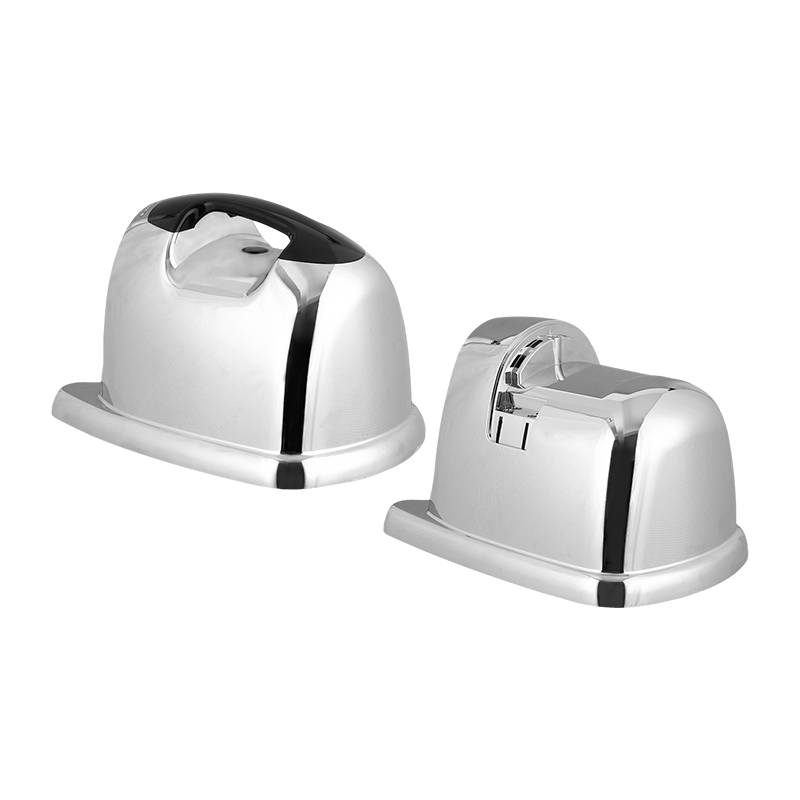
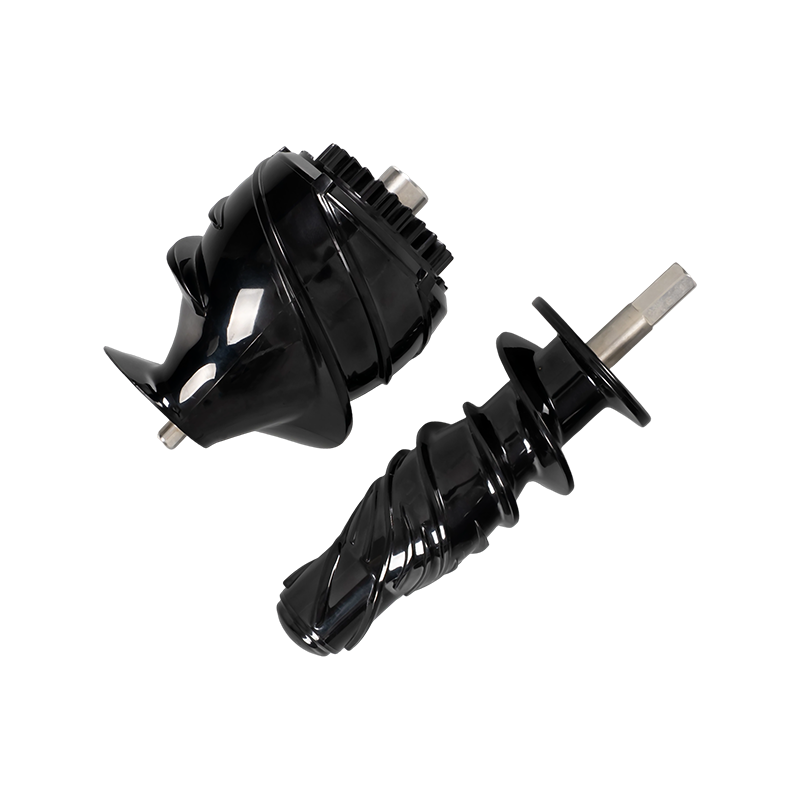
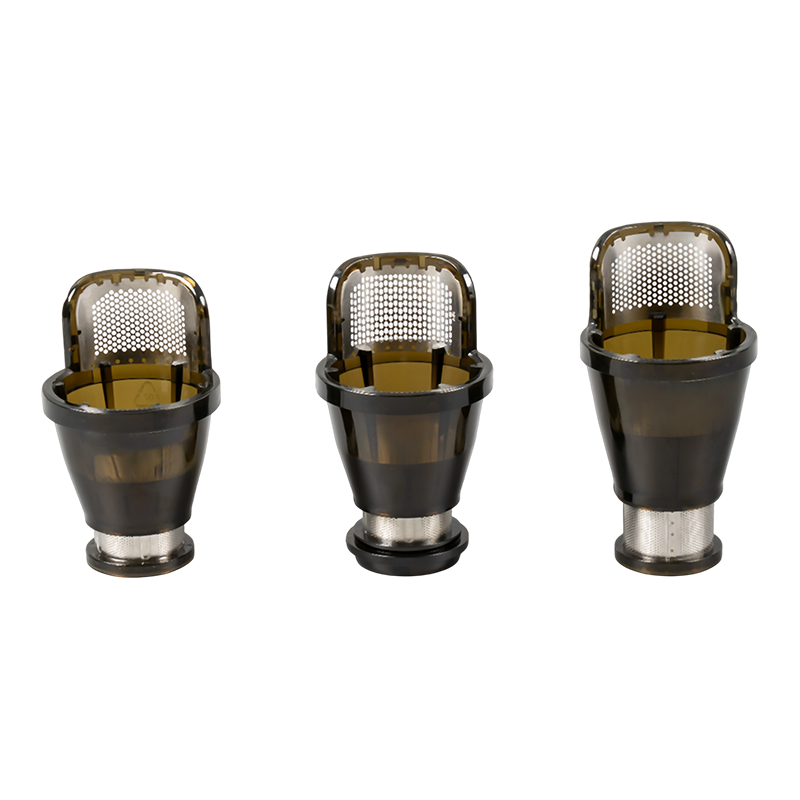
Galvanized Appliance Components
Galvanized components for home appliances are constructed from high-quality engineering plastics, specifically poly...
Content
Insulin is classified as a high-alert medication in health systems worldwide, and the reason is straightforward: the gap between an effective dose and a harmful one is narrow. A few extra units can send a patient into hypoglycemia; a few too few can keep blood glucose elevated for hours. This is why the insulin delivery pen is far more than a convenient alternative to syringes. It is a precision dosing instrument whose mechanical tolerances, material quality, and usability shape clinical outcomes every single day. For clinicians, distributors, and procurement teams, understanding what separates a reliable pen from a problematic one is the difference between a sound purchasing decision and a recurring source of patient complaints.
An insulin delivery pen is a compact injection device that holds a cartridge of insulin, lets the user select a precise number of units with a dial, and delivers the dose through a short, fine needle into the subcutaneous tissue. The core parts are consistent across designs: the cartridge holder, the dose dial, the injection button, the internal plunger and lead screw, and the needle hub.
Two broad types dominate the market. Prefilled pens are sealed at the factory with insulin inside, and the entire pen is discarded when empty. Reusable pens are built to last; the patient loads a replaceable cartridge, and only the cartridge and needle are disposed of when they run out. A growing subset of reusable pens are smart pens that log dose amounts and timestamps and sync them with a smartphone app.
The clinical advantage of pens over vial-and-syringe has been documented across many patient groups: pens reduce preparation steps, remove the risk of drawing the wrong insulin from a vial, and use finer needles that lessen injection pain. These practical benefits explain why pens have become the default choice for many patients who need multiple daily injections.
Dose accuracy is not a marketing feature; it is a regulated performance characteristic. The international standard most commonly applied to insulin injection devices, ISO 11608-1, sets limits on delivered dose. In practice, the delivered dose must match the selected dose within a narrow tolerance across the device's working life, typically within plus or minus 5 percent for doses above a minimum threshold. When a pen is worn, damaged, or assembled from parts that fit poorly, the mechanism can skip or stick, and the patient receives a dose that differs from what they dialed.
The mechanics behind this accuracy are demanding. A multi-dose injector relies on a lead screw that advances a piston inside the cartridge; the fit between the screw thread, the clutch, and the molded housing determines how consistently each click of the dial equals one unit of insulin. Because the housing and most internal structural parts are injection-molded, a small variation in material shrinkage or molding temperature can propagate into a measurable change in dosing force and accuracy.
For an engineering-level look at how these mechanisms hold their calibration through repeated use, see our analysis of dosing precision in a multi-dose injector.
The decision between a prefilled disposable pen and a reusable pen with cartridge refills affects far more than the initial invoice. It changes the economics of diabetes care over several years, the volume of plastic waste produced, and the daily routine of patients.
| Consideration | Prefilled disposable pen | Reusable pen with cartridges |
|---|---|---|
| Initial device cost | Lower; device is replaced with each refill | Higher first purchase; then refills only |
| Long-term cost per dose | Higher, because the mechanism is discarded each time | Lower, because the mechanism is reused |
| Plastic waste | Full pen body disposed of after every cartridge | Only cartridge and needle are discarded |
| Supply planning | Simpler; insulin and device come together | Requires stocking cartridges and devices separately |
Reusable pens make clinical and economic sense for patients who expect to remain on insulin for years. The cost per dose falls with every cartridge the mechanism delivers, which is why reusable designs are a common recommendation in programs that aim to keep long-term diabetes care affordable. The trade-off is organizational: cartridges must be reliably available, and patients must learn to handle the pen correctly.
Patients who depend on insulin may inject several times a day, often outside any clinical setting. Under those conditions, three design details have an outsized effect on whether the pen is used correctly, day after day.
Manual dose dialing with clear feedback. A dose dial that produces a distinct click for each unit helps the user count units without looking at the scale. One-unit increments are standard, while half-unit increments are valuable for patients who need tighter titration, especially children.
Visual confirmation of the selected dose. A frequent source of dosing errors is uncertainty about whether the correct dose was selected and fully delivered. A pen with a large, high-contrast dose display and a plunger that visibly reaches a hard stop gives immediate confirmation. This kind of visual feedback matters most for older patients and for anyone injecting in low light.
Moderate injection force with a stable grip. The thumb pressure required to deliver a dose is a practical detail that many specifications never mention. Patients with arthritis, reduced hand strength, or peripheral neuropathy cannot reliably press a stiff plunger, which can result in a partial dose. A smooth plunger action and a contoured, textured grip reduce that risk.
The manual visualization reusable insulin pen from Yongjie combines these principles in a single device: a manually operated, reusable pen with clear visual dose confirmation, designed for patients who value simplicity and control.
 Manual Visualization Reusable Insulin Pen for Clear Dose ConfirmationThis reusable insulin pen offers manual operation with a visual dose display, making it suitable for patients who prefer straightforward control. The surrounding guidance on injection technique and dosing accuracy highlights why understanding this device's features matters for reliable daily use.View Product →
Even the best-designed pen depends on correct technique; our step-by-step guide to using an insulin pen walks through the complete injection routine, from priming to disposal.
Whether you are sourcing pens for a hospital pharmacy, a diabetes clinic, a distribution business, or a patient assistance program, these are the checks that tend to reveal problems only after large volumes have been committed.
The history of an insulin pen manufacturer is more than a company-story detail; it is a clue to how the device will behave in the field. Because the pen body and most of its internal mechanism are injection-molded parts, the supplier's mastery of injection molding translates directly into product quality. Mold temperature, material moisture content, and cooling time determine whether each component meets its dimensional specification and whether the assembled mechanism runs smoothly over thousands of injections.
Yongjie (Zhejiang) Industrial Development Co., Ltd. illustrates this path. The company began as a paper products business in 2009, accumulated a decade of injection molding experience between 2010 and 2021, and was formally established under its current name in 2021 with a dedicated expert team. It holds Chinese invention patents for both a reusable portable liquid delivery device and a disposable portable liquid delivery device, covering mechanisms directly related to insulin pens.
The company has also published an ESG section that covers environmental, social, and governance commitments, including work related to carbon neutrality, which provides useful context for buyers who include sustainability criteria in supplier evaluation.
An insulin delivery pen should be judged on three criteria, in a fixed order. First, dose accuracy: the device must deliver what the patient dialed, every time, under real-world conditions. Second, usability: the patient must be able to read the dose, set it confidently, and inject with reasonable force. Third, total value: the cost per dose over the life of the device, together with the waste it generates, determines whether the pen is a realistic option for lifelong therapy.
Many pens on the market are competent at one or two of these criteria; the difficult part is finding a device that satisfies all three without forcing patients to choose between safety, comfort, and affordability. Precision injection molding, a proven mechanism, honest materials, and a manufacturer that treats the product as a medical instrument are the common characteristics of devices that get this balance right. When those elements come together, the insulin delivery pen becomes more than a delivery tool. It becomes a dependable partner in daily diabetes management.

 Custom Pen Compound Syringe Manufacturers